
Close Menu
New York Examiner News

    Subscribe to Updates

    Get the latest creative news from FooBar about art, design and business.

    What's Hot

    How To Grow A Moustache Your Dad Would Be Proud Of

    October 2, 2026

    Austin City Limits Announces 2026 Livestream Schedule

    October 1, 2026

    Singapore launches FirstDate dating service for government workers

    October 1, 2026
    Facebook X (Twitter) Instagram
    New York Examiner News
    • Home
    • US News
    • Politics
    • Business
    • Science
    • Technology
    • Lifestyle
    • Music
    • Television
    • Film
    • Books
    • Contact
      • About
      • Amazon Disclaimer
      • DMCA / Copyrights Disclaimer
      • Terms and Conditions
      • Privacy Policy
    New York Examiner News
    Home»Science»Endangered California Condors Get Bird Flu Vaccine
    Science

    Endangered California Condors Get Bird Flu Vaccine

    By AdminAugust 29, 2023
    Facebook Twitter Pinterest LinkedIn WhatsApp Email Reddit Telegram
    Endangered California Condors Get Bird Flu Vaccine


    Endangered California Condors Get Bird Flu Vaccine

    The threat of avian influenza became real for Ashleigh Blackford in March. Three years after the world took drastic steps to slow the spread of a different respiratory virus, she found herself living a twisted version of that experience—this time with the nearly 600 iconic birds she oversees as California Condor coordinator at the U.S. Fish and Wildlife Service.

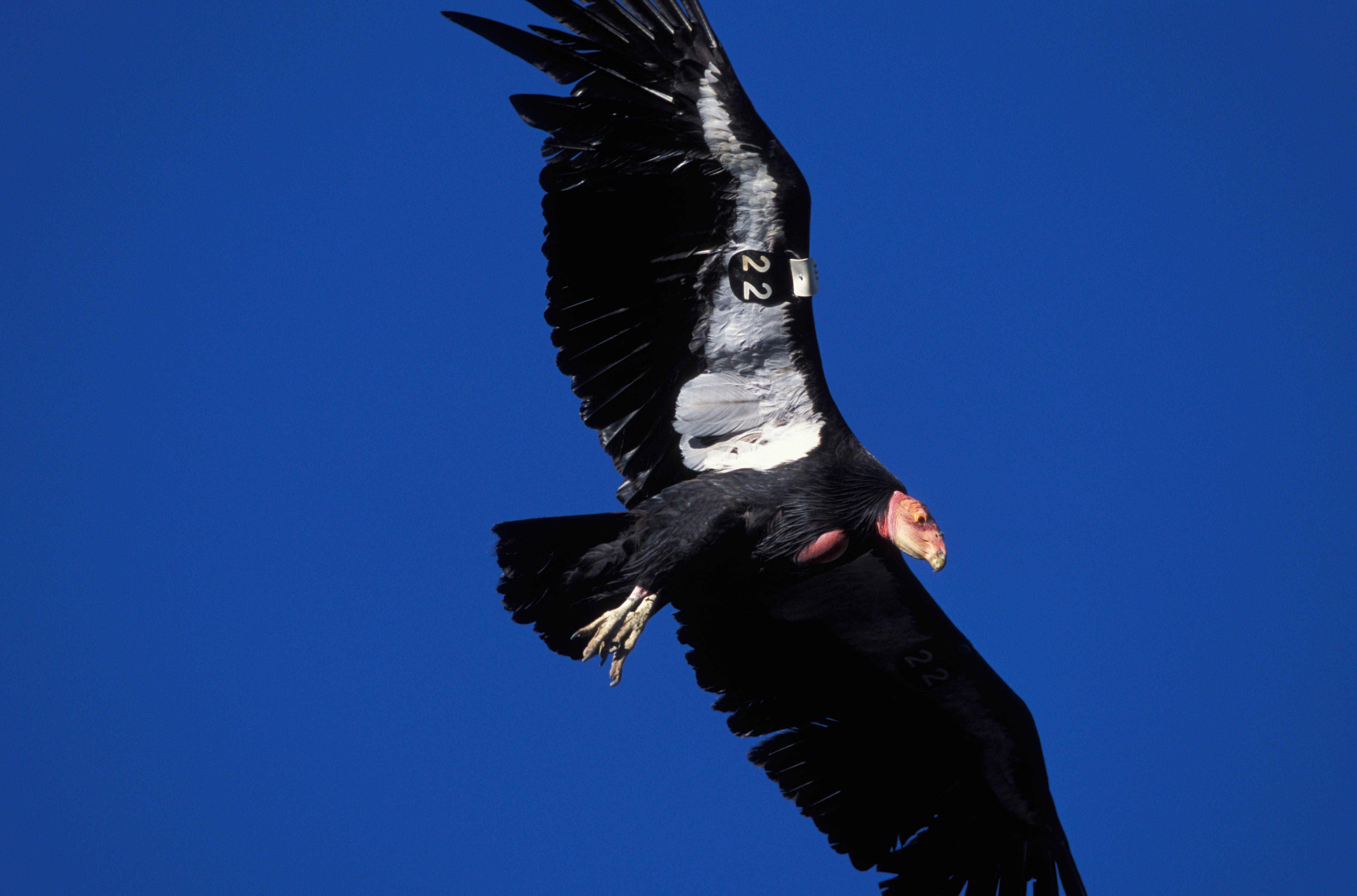
    California Condors (Gymnogyps californianus) are North America’s largest wild birds—and are among the most endangered. In 1982 there were just 22 of the birds left. Conservationists captured and bred them to painstakingly claw the birds back from the brink of extinction. At the beginning of this year, there were 561 California Condors, more than half of which lived in the wild across several western U.S. states. But this spring, as March turned into April and more birds got sick, the species’ success looked imperiled.

    “It was [like], ‘We’ve lost five birds today. We lost two more,’ and it just kind of felt like it was snowballing on us,” Blackford says of the losses. Many of these were condors that had roosted in Arizona’s Vermilion Cliffs, the same place where captive-bred birds were first released in 1996. By the end of spring, avian influenza had killed 21 condors out of the flock that soars over Arizona and Utah—and Blackford says the outcome could have been much worse.

    Now the FWS has begun testing an avian influenza vaccine in the iconic birds in hopes of eventually inoculating every living condor against the disease, which experts fear may come roaring back as temperatures drop this fall.

    Avian influenza comes in two varieties. Traditionally, wild birds have been known to carry low-pathogenicity avian influenza, which is typically asymptomatic, whereas highly pathogenic avian influenza is usually found in poultry. But in Europe a highly pathogenic strain became epidemic in numerous species of wild birds by 2021, and the strain reached the U.S. the following year. By now that strain has likely killed millions of wild birds, experts estimate.

    “This is very different from what we’ve seen historically [from avian influenza],” says Samantha Gibbs, lead veterinarian at the FWS Wildlife Health Office. “I don’t think it’s just going to disappear.”

    And while dead Caspian Terns (Hydroprogne caspia), Mallards (Anas platyrhynchos) and Red-tailed Hawks (Buteo jamaicensis) are bad news, none of those animals are as rare as the California Condor. “With a really nice, big population that’s healthy, we may lose a number of birds, but we would feel like they could bounce back,” Gibbs says. “We just don’t have that bench strength with the condors.”

    Condors are particularly vulnerable to avian influenza because of how they live, says Jonathan Hall, a wildlife ecologist at Eastern Michigan University, who specializes in the massive birds. Like humans, “they really interact with each other quite a bit, so that makes this disease much more easily communicable,” he says. “We’re talking about animals that live in extended family groups and kin networks.”

    Blackford says the flock that suffered from the virus this spring may have inadvertently cultivated it in cool, damp cliff-bound sanctuaries where they raise their chicks. “I think we had some little petri dishes in our nest caves that unfortunately had a greater impact on our population than if they had known to social distance,” she says.

    Unlike more plentiful species, condors are confronting avian influenza with the cards stacked against them. The mighty birds struggle to maintain their numbers because, like humans, they mature slowly and then reproduce at a low rate; they naturally lay just one egg every year or two. Although conservationists have found ways to increase that rate slightly in a captive breeding program, every bird remains precious.

    “They’re on this growth trajectory, but it’s slow going, and it’s really expensive, and condors are clearly not at a level where they’re self-sustaining,” says Jacqueline Robinson, an evolutionary geneticist at the University of California, San Francisco, who has studied the birds’ genome. “This loss of so many individuals in such a short time is a pretty big setback for them on that road to once again being a wild, free-ranging, self-sustaining population.”

    Desperate for anything that could protect the condors, the FWS reached out to the U.S. Department of Agriculture to ask for permission to test an avian influenza vaccine in the birds. “We didn’t know if there would be a vaccine even available,” Gibbs says. “Because no birds have ever been vaccinated against highly pathogenic avian influenza in the U.S., we didn’t think it was a high probability.”

    After some discussion, the USDA authorized the FWS to use a vaccine developed from a killed virus found in a Gyrfalcon (Falco rusticolus) in the mid-2010s, Gibbs says. But the USDA was reluctant to release a vaccine that could end up being used in poultry because there’s no way to differentiate between such domesticated birds that have been infected with avian influenza and those that have been vaccinated for it. The agency included strict constraints on the condor program to ensure none of the vaccine makes its way to poultry and imperils the $5-billion export market for the latter birds.

    “There are very tight controls on the way we use and administer the vaccine,” Gibbs says. “It’s akin to using controlled substances, like ketamine.” For example, only a certified veterinarian can administer the vaccine, and each vial must be destroyed within 24 hours after it is opened, she says.

    Once the condor team had the precious vaccine in hand, the first step was to test it on 20 Black Vultures (Coragyps atratus), which are not endangered, to check for any negative side effects. Now condors are receiving the shot, and 20 birds have been fully vaccinated as of August 25, according to the FWS. Although poultry vaccines are typically administered in two doses, the agency is testing how effective it is to give both the prime shot and the booster in one injection, compared with the usual strategy.

    How does one vaccinate a 20-pound bird with a nine-foot wingspan and a hooked beak that is often found slicing through an animal carcass? Blackford says experienced condor wranglers are accustomed to using one hand to clamp the beak shut while using the other to hold the bird. A second person does the injecting—down near the bird’s hip, Gibbs says.

    With the initial doses doled out to the trial condors, the FWS is now monitoring the birds and preparing to measure antibody levels to the virus in their blood beginning next month. “Step one was safety, step two is efficacy, and then step three will be ‘What’s the practicality in the wild flock?’” Blackford says.

    She says that if all goes well, she and her colleagues hope to plan a rollout strategy by, perhaps, October to protect all the condors before spring migration starts. Then the team will look into giving the birds annual boosters, which Blackford says she hopes can easily fit into the yearly health checks the team already conducts. During these checks, each bird is vaccinated for West Nile virus—a mosquito-borne pathogen that also threatens them—and has blood drawn to check for lead exposure from hunters’ ammunition in mammal carcasses that the massive scavengers eat.

    Those standard health checks are a testament to the effort people have poured into keeping condors in the sky. And while Blackford says she’s grateful to have a path toward protecting her charges from avian influenza, she would rather it wasn’t necessary.

    “Our goal is not to always touch every condor every year—it’s to not touch them, to not be able to capture them because they’re so wild and so self-sufficient,” Blackford says. Unfortunately, entering that next phase of recovery will require changing human behavior, not just neutralizing a virus, she says, because hunters’ use of lead bullets remains condors’ biggest threat.

    “I think it’s a lot easier to combat the avian flu issue because it’s much more straightforward,” Hall says. “The ongoing threats that condors face, really primarily because of the way that the environment has changed over the last 500 years on this continent due to colonization—that’s a much harder issue to address.”


    Original Source Link

    Share. Facebook Twitter Pinterest LinkedIn WhatsApp Email Reddit Telegram
    Previous ArticleMarvel’s Own ‘Reign of Supermen’ Event is Tearing The Sentry Apart
    Next Article Hurricane Idalia Is About to Slam Florida With a Wall of Water

    RELATED POSTS

    Measles Is Forcing Hospitals to Adapt to a New Normal

    October 1, 2026

    NASA directive might increase the odds of contaminating Mars

    October 1, 2026

    A Biotech Founder Makes the Moral Case for Gene-Editing Human Embryos

    September 30, 2026

    Blockbuster retatrutide trial signals a ‘new high-water mark’ for weight-loss drugs

    September 30, 2026

    Plastic Is Melting Onto Corals

    September 29, 2026

    One in eight new cancers are likely caused by infections—there’s an easy way to protect yourself

    September 29, 2026
    latest posts

    How To Grow A Moustache Your Dad Would Be Proud Of

    We independently evaluate all recommended products and services. Any products or services put forward appear…

    Austin City Limits Announces 2026 Livestream Schedule

    October 1, 2026

    Singapore launches FirstDate dating service for government workers

    October 1, 2026

    Justin Boone’s Top Quarterbacks for Week 4

    October 1, 2026

    Hillsboro School District sued over Christian curriculum reimbursement

    October 1, 2026

    Opus 5.5 loves to tell you ‘this matters’ (and other AI writing tells)

    October 1, 2026

    Measles Is Forcing Hospitals to Adapt to a New Normal

    October 1, 2026
    Categories
    • Books (1,524)
    • Business (6,428)
    • Events (78)
    • Film (6,362)
    • Lifestyle (4,429)
    • Music (6,492)
    • Politics (6,416)
    • Science (5,780)
    • Technology (6,361)
    • Television (6,054)
    • Uncategorized (9)
    • US News (6,415)
    popular posts

    Vampire Weekend Call Out Victorious Festival Organizers After Mary Wallopers Set Cut Short

    On Friday, August 22, Irish folk band the Mary Wallopers had their set at Portsmouth,…

    These Robots Are Recovering Dumped Explosives From the Baltic Sea

    February 3, 2025

    Russian war critic Boris Nadezhdin barred from running in election

    February 8, 2024

    Parents Of 90 Day Fiancé Stars Who Are Criticized More Than Their Kids

    May 27, 2022
    Archives
    Browse By Category
    • Books (1,524)
    • Business (6,428)
    • Events (78)
    • Film (6,362)
    • Lifestyle (4,429)
    • Music (6,492)
    • Politics (6,416)
    • Science (5,780)
    • Technology (6,361)
    • Television (6,054)
    • Uncategorized (9)
    • US News (6,415)
    About Us

    We are a creativity led international team with a digital soul. Our work is a custom built by the storytellers and strategists with a flair for exploiting the latest advancements in media and technology.

    Most of all, we stand behind our ideas and believe in creativity as the most powerful force in business.

    What makes us Different

    We care. We collaborate. We do great work. And we do it with a smile, because we’re pretty damn excited to do what we do. If you would like details on what else we can do visit out Contact page.

    Our Picks

    Opus 5.5 loves to tell you ‘this matters’ (and other AI writing tells)

    October 1, 2026

    Measles Is Forcing Hospitals to Adapt to a New Normal

    October 1, 2026

    Books & Looks Podcast — The Feather Wars: Egret Plumes, Punt Guns, and the Fight to Save America’s Birds

    October 1, 2026
    © 2026 New York Examiner News. All rights reserved. All articles, images, product names, logos, and brands are property of their respective owners. All company, product and service names used in this website are for identification purposes only. Use of these names, logos, and brands does not imply endorsement unless specified. By using this site, you agree to the Terms & Conditions and Privacy Policy.

    Type above and press Enter to search. Press Esc to cancel.

    We use cookies on our website to give you the most relevant experience by remembering your preferences and repeat visits. By clicking “Accept All”, you consent to the use of ALL the cookies. However, you may visit "Cookie Settings" to provide a controlled consent.
    Cookie SettingsAccept All
    Manage consent

    Privacy Overview

    This website uses cookies to improve your experience while you navigate through the website. Out of these, the cookies that are categorized as necessary are stored on your browser as they are essential for the working of basic functionalities of the website. We also use third-party cookies that help us analyze and understand how you use this website. These cookies will be stored in your browser only with your consent. You also have the option to opt-out of these cookies. But opting out of some of these cookies may affect your browsing experience.
    Necessary
    Always Enabled
    Necessary cookies are absolutely essential for the website to function properly. These cookies ensure basic functionalities and security features of the website, anonymously.
    CookieDurationDescription
    cookielawinfo-checkbox-analytics11 monthsThis cookie is set by GDPR Cookie Consent plugin. The cookie is used to store the user consent for the cookies in the category "Analytics".
    cookielawinfo-checkbox-functional11 monthsThe cookie is set by GDPR cookie consent to record the user consent for the cookies in the category "Functional".
    cookielawinfo-checkbox-necessary11 monthsThis cookie is set by GDPR Cookie Consent plugin. The cookies is used to store the user consent for the cookies in the category "Necessary".
    cookielawinfo-checkbox-others11 monthsThis cookie is set by GDPR Cookie Consent plugin. The cookie is used to store the user consent for the cookies in the category "Other.
    cookielawinfo-checkbox-performance11 monthsThis cookie is set by GDPR Cookie Consent plugin. The cookie is used to store the user consent for the cookies in the category "Performance".
    viewed_cookie_policy11 monthsThe cookie is set by the GDPR Cookie Consent plugin and is used to store whether or not user has consented to the use of cookies. It does not store any personal data.
    Functional
    Functional cookies help to perform certain functionalities like sharing the content of the website on social media platforms, collect feedbacks, and other third-party features.
    Performance
    Performance cookies are used to understand and analyze the key performance indexes of the website which helps in delivering a better user experience for the visitors.
    Analytics
    Analytical cookies are used to understand how visitors interact with the website. These cookies help provide information on metrics the number of visitors, bounce rate, traffic source, etc.
    Advertisement
    Advertisement cookies are used to provide visitors with relevant ads and marketing campaigns. These cookies track visitors across websites and collect information to provide customized ads.
    Others
    Other uncategorized cookies are those that are being analyzed and have not been classified into a category as yet.
    SAVE & ACCEPT