
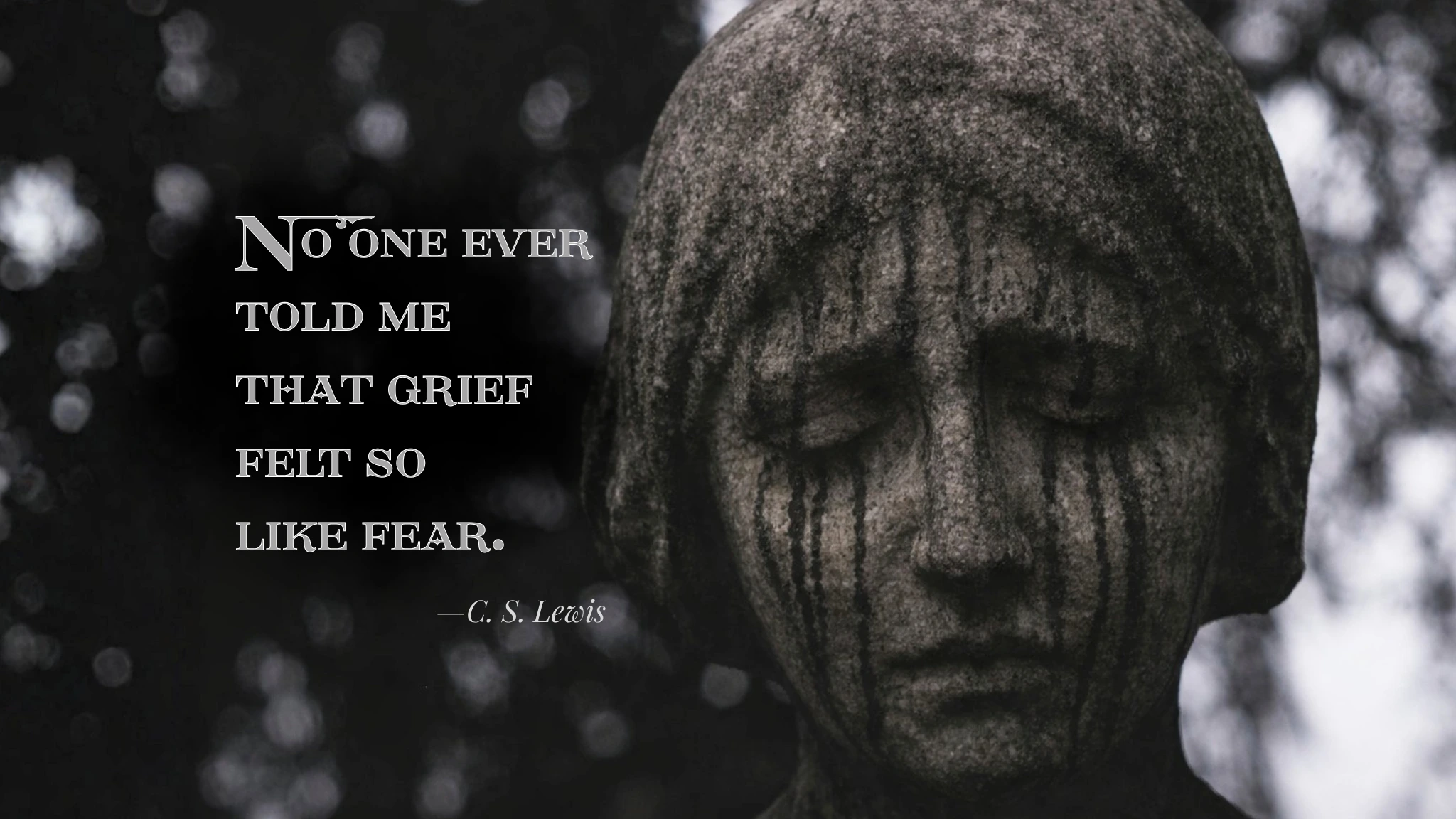
Grief resists structure. It doesn’t behave the way we expect it to. It’s often described as a process, but that suggests a kind of order that rarely exists in reality. More than just sadness, it’s a messy tangle of yearning, anger, guilt, anxiety, arriving in waves that don’t follow rules or timelines.
Grief also has a way of attaching itself to the ordinary and turning it into something emotionally and symbolically charged — a familiar place, a routine moment, an everyday object. It alters our sense of reality, shifts our identity. Sometimes, it’s as if the world completely crumbles around us leaving us in a waking nightmare.
It’s no surprise, then, that grief and horror so often overlap. When nothing feels fixed, when meaning begins to shift and fracture, it becomes easier for the uncanny to take hold. What begins as loss can deepen into obsession, distortion and, in some cases, something far more monstrous.
The novels on this list explore that unsettling transformation. Each begins with absence — a loved one gone, a relationship altered beyond repair — and follows what happens when that loss refuses to stay contained. Sometimes it lingers in the background, coloring every decision. Other times, it pushes characters toward choices they can’t take back, opening doors better left closed.
From intimate, emotionally driven stories to full-fledged supernatural horror, these books reveal a common truth: grief doesn’t just haunt us. It changes the shape of reality itself.
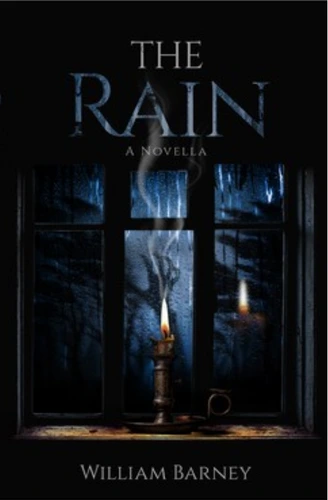
The Rain by William Barney
A young man already straining under grief and family conflict is pulled out of ordinary New Jersey routines and into an increasingly uncanny, frightening world. What begins as a slice of small-town life — backyard parties, coffee shop conversations and the daily grind of working at a family hardware store — gradually darkens into something far more unsettling. Still grieving his mother’s death, Adam finds himself at odds with his father and uncertain about his future when a strange, destructive force begins to ripple through his New Jersey town. As reality shifts and violence erupts, the familiar spaces of his life become unrecognizable. Barney’s novella leans into slow transformation: the horror doesn’t just descend — it grows out of emotional fault lines already in place. At its core, The Rain is as much about grief and fractured relationships as it is about survival in a world that’s quietly coming apart.
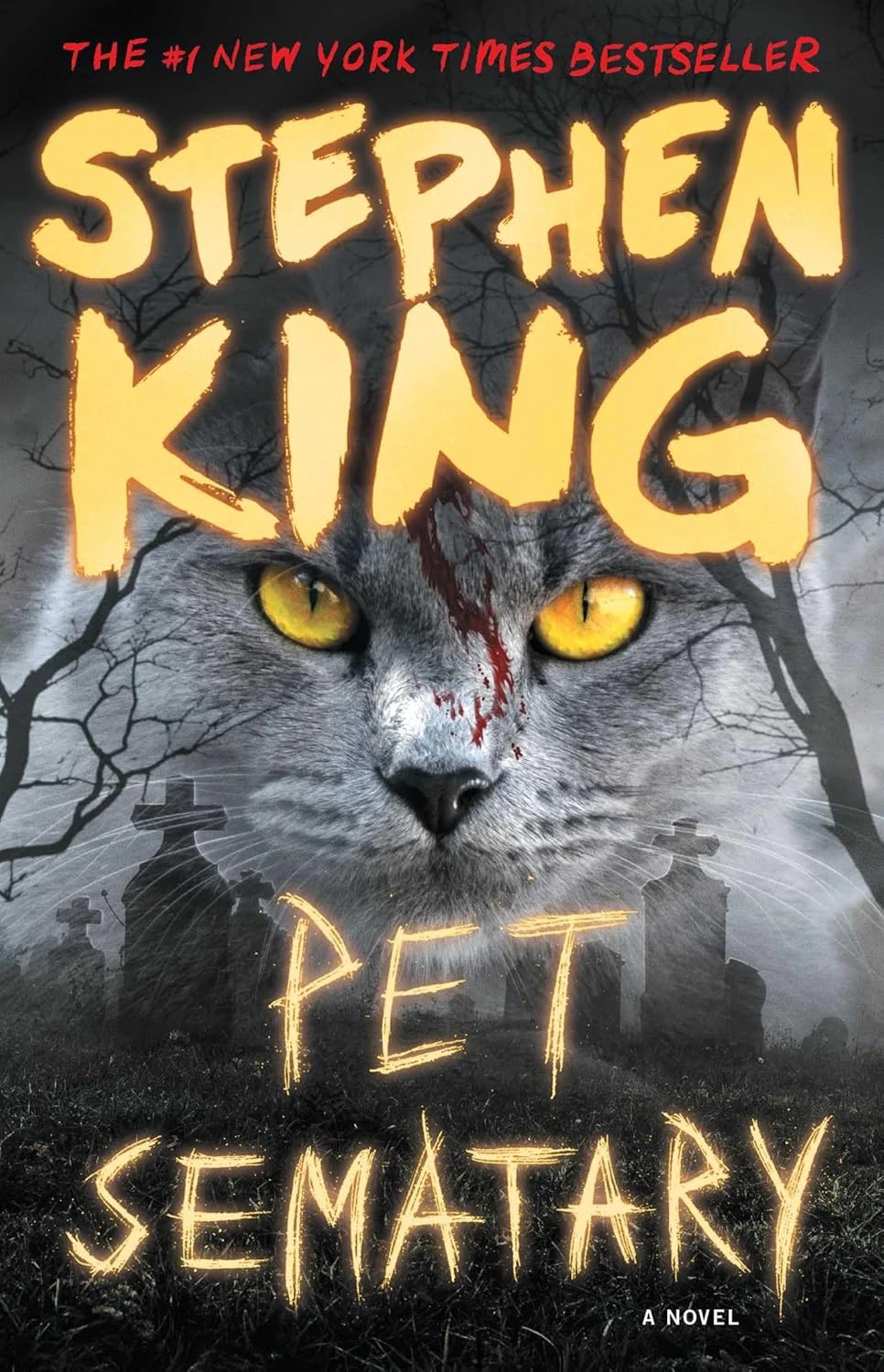
Pet Sematary by Stephen King
Few novels capture the dangerous pull of grief as powerfully as Pet Sematary. When Louis Creed and his family move to rural Maine, life initially feels idyllic — until tragedy strikes and the nearby burial ground reveals its terrible secret. King takes a familiar premise — the desire to undo loss — and pushes it to its logical, horrifying conclusion. What makes the novel so enduring is how grounded it feels before everything goes wrong. The domestic details, the family dynamics, the quiet rhythms of life all make the descent more devastating. By the time Louis makes his fateful choices, the reader understands exactly why — and fears the consequences all the more. It’s a masterclass in how ordinary love can become something far more dangerous.
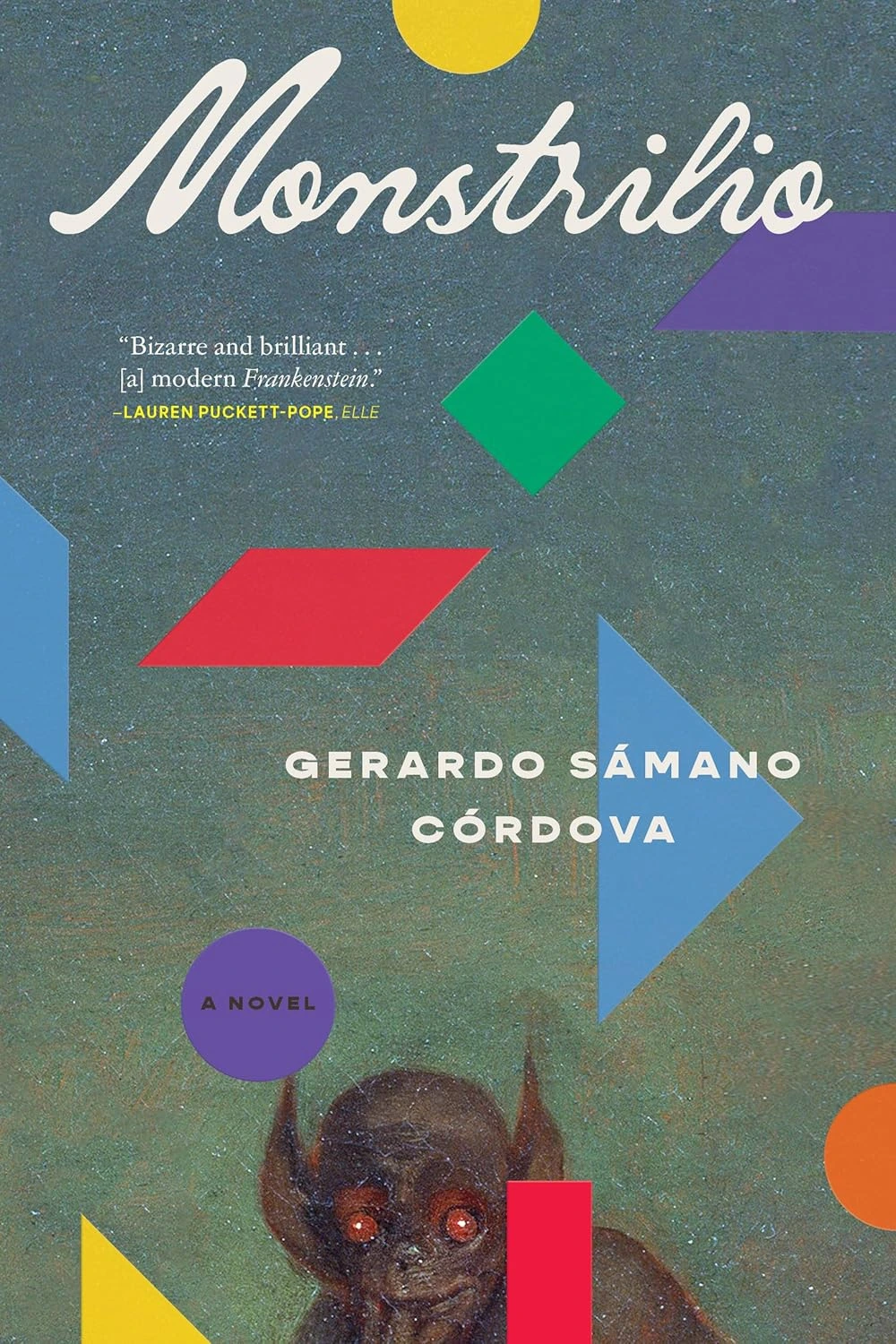
Monstrilio by Gerardo Sámano Córdova
After the death of her young son, Magos makes an unthinkable choice: she removes a piece of his lung and nurtures it into something living — something hungry — and Monstrilio unfolds from there. What follows is not a traditional horror story, but something stranger and more intimate, tracing how grief reshapes identity, relationships and even the boundaries of the human body. Sámano Córdova blends body horror with emotional depth, creating a narrative that is as tender as it is unsettling. The true horror isn’t just the creature itself, but the question at its core: what does it mean to hold on to someone you’ve lost, and how far is too far? It’s a haunting exploration of love that refuses to let go.
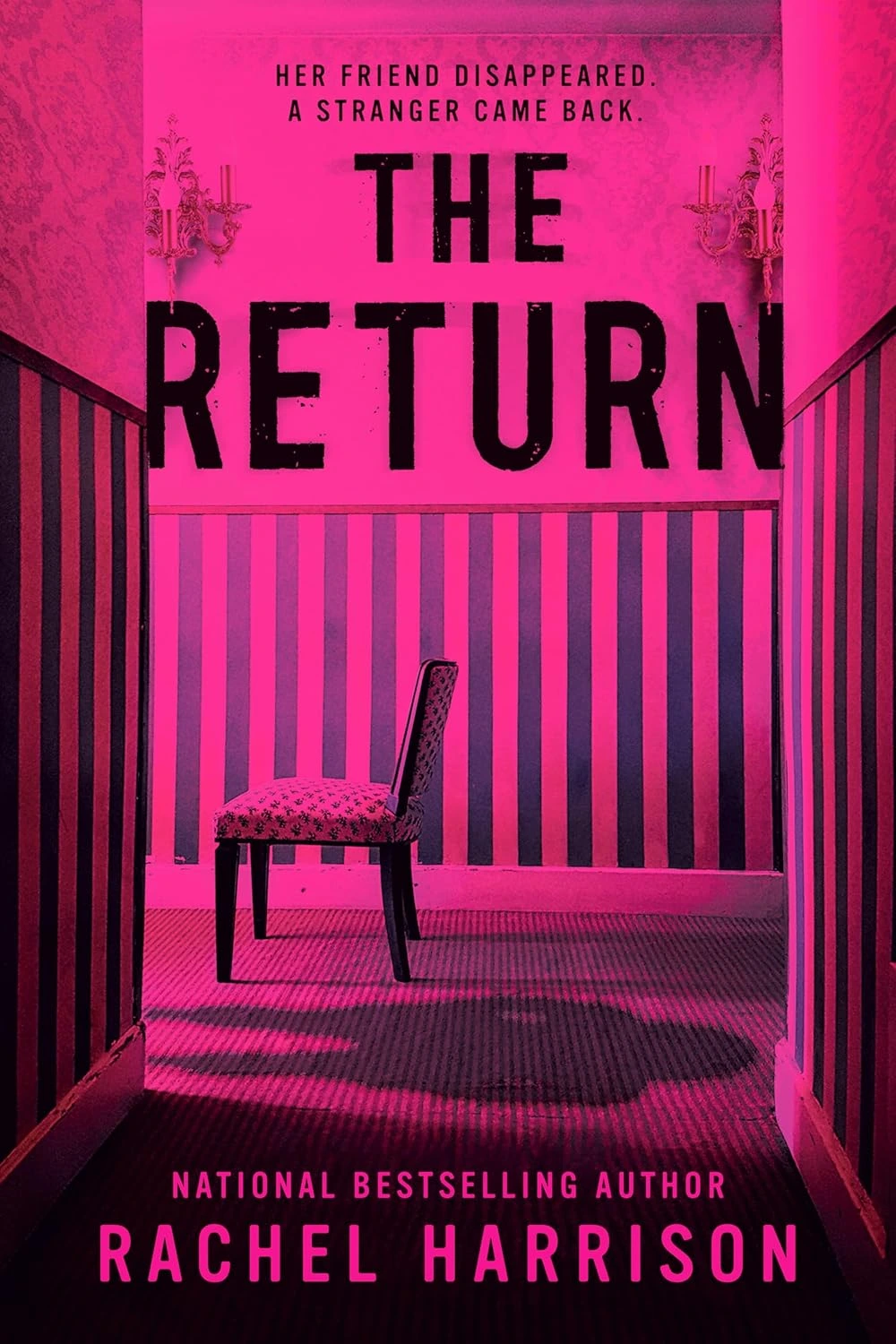
The Return by Rachel Harrison
Julie vanished two years ago without explanation. When she suddenly reappears, her friends gather for a reunion that should be joyful — but quickly turns uneasy. Julie is different. Subtly at first, then unmistakably. Harrison leans into the discomfort of that shift, exploring how friendships strain under the weight of absence, change and unspoken resentment. The horror here is deeply psychological, rooted in the idea that the people we know best can become strangers. As tensions rise, the novel captures the fragile balance between nostalgia and reality, showing how the past can distort the present. It’s a chilling reminder that sometimes the scariest thing isn’t losing someone — it’s getting them back.
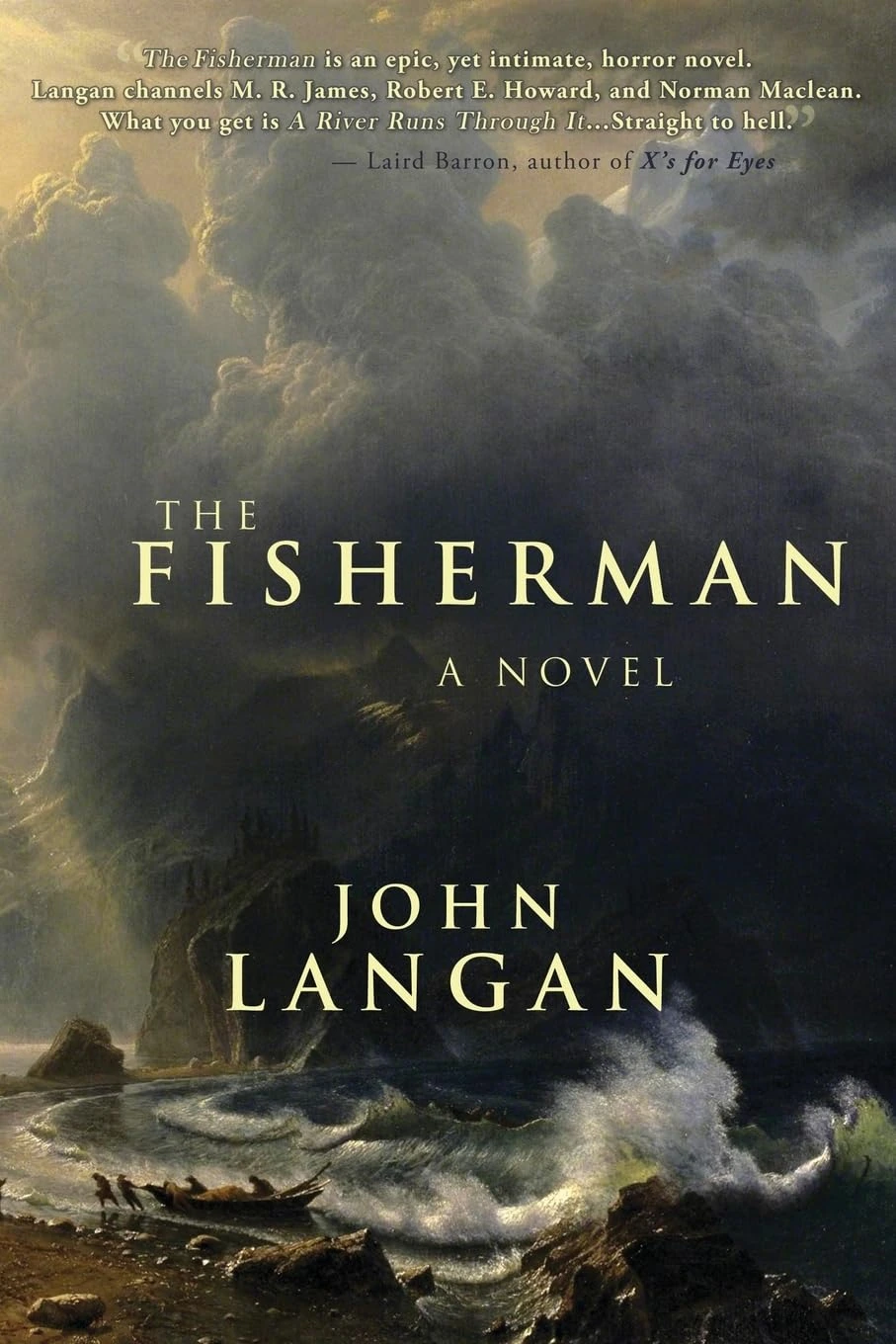
The Fisherman by John Langan
Following the deaths of their wives, two widowers form an unlikely friendship rooted in shared grief. Their bond leads them to a remote creek rumored to hold mysterious powers — a place where loss might be undone. Langan’s novel unfolds with a deliberate pace, weaving together personal sorrow and cosmic horror. What begins as a story of companionship and healing gradually expands into something far stranger and more ominous. The deeper the characters venture into the unknown, the more they risk losing what remains of themselves. It’s a meditation on grief and obsession, showing how the desire to reclaim the past can open doors better left closed.
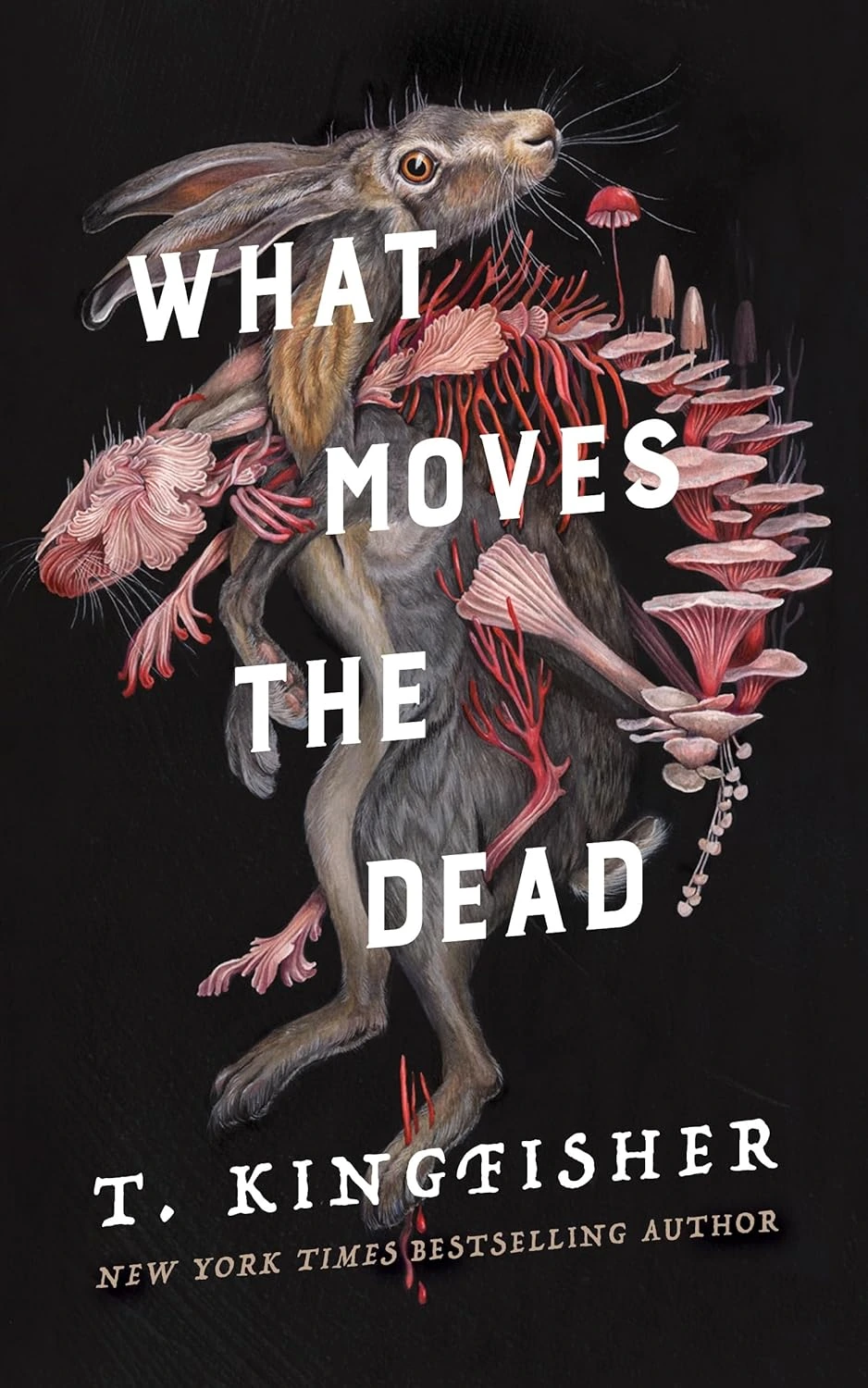
What Moves the Dead by T. Kingfisher
When Alex Easton arrives at a decaying estate to visit a sick childhood friend, they find more than illness waiting inside its walls. Strange fungi, unnatural animal behavior and an oppressive atmosphere hint that something deeply wrong has taken root. In this take on The Fall of the House of Usher, Kingfisher reimagines the classic gothic tale with a modern sensibility, blending sharp wit with creeping dread. The horror here builds gradually, through details that feel slightly off before becoming unmistakably grotesque. Beneath it all lies a quieter emotional thread — the fear of losing someone and the helplessness that comes with it. As the mystery unfolds, the line between natural and unnatural blurs, creating a story that is both eerie and unexpectedly poignant.
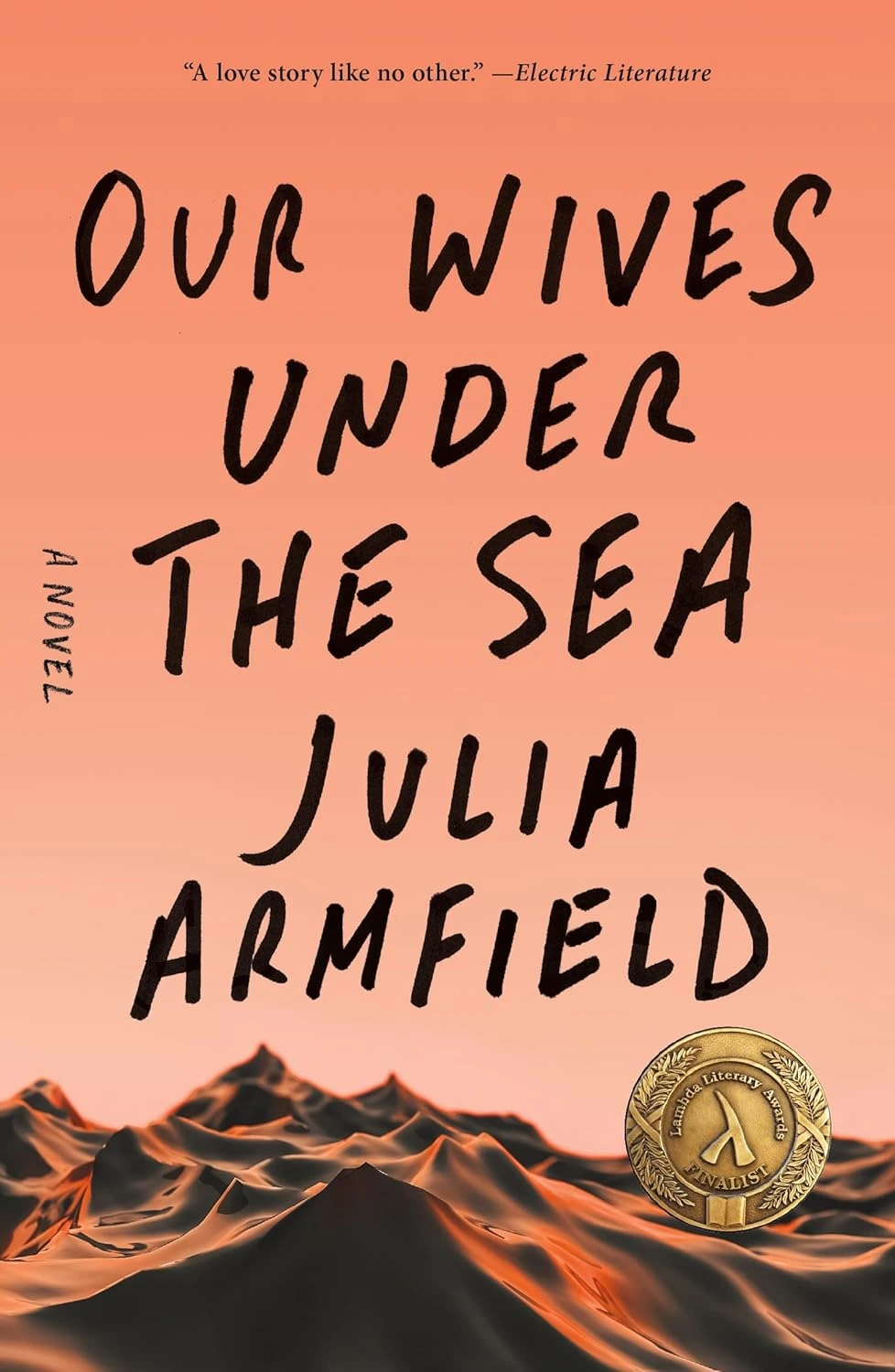
Our Wives Under the Sea by Julia Armfield
Miri knows something is wrong with her wife Leah, even if she can’t explain it. Since returning from a deep-sea expedition, Leah has been distant, changed in ways that defy understanding. Armfield tells their story through alternating perspectives, blending the surreal with the deeply emotional. The horror is subtle but persistent, rooted in transformation and disconnection rather than overt terror. At its heart, the novel is about grief — not just for what’s lost, but for what remains, altered beyond recognition. The quiet unraveling of their relationship mirrors the uncanny elements creeping into the narrative, creating a story that is as haunting emotionally as it is atmospherically.