
Editor’s Note: In her book Specters of the Marvelous: Race and the Development of the European Fairy Tale, literature Professor Kimberly J. Lau observes the legacy of race in classic fairy tales. The following essay provides a glimpse of the fairy tale tradition modern audiences have inherited, the conclusion that “fairy-tale characters are white not by chance, but by design,” and an exploration of how retellings allow for a break from tradition.
—
Remaking fairy tales can be a risky business.
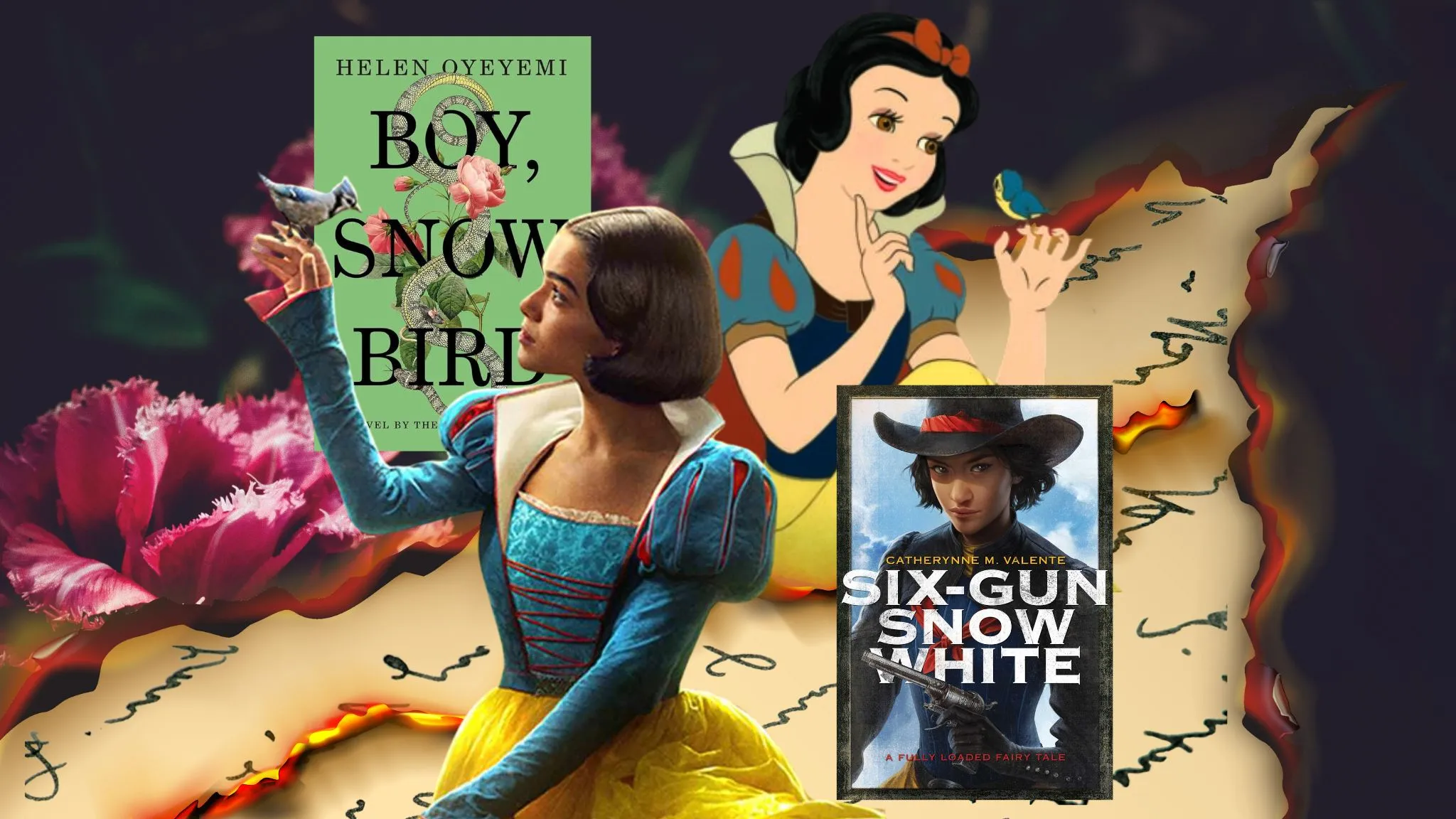
Just ask Disney. The studio’s recently released trailer for its live-action Snow White (2025) was met with some serious fan outrage, primarily focused on the supposedly “woke” changes Disney made to its 1937 animated feature. One recurrent point of criticism concerns Snow White’s transformation from seemingly dead object of male desire to more active heroine seeking to reclaim her kingdom. 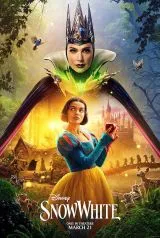
Another is that Rachel Zegler, cast in the eponymous role, is “hardly white as snow,” as Erik Kain puts it in his Forbes review of the trailer. On this point, some fans were incensed enough to take to the street, gathering in front of Zegler’s apartment and, according to her account in Cosmopolitan, hurling profanities at her for “being brown. For having brown skin. For playing Snow White.”
A few years earlier, Disney’s announcement that Black actor and singer Halle Bailey had been cast as Ariel in the live-action Little Mermaid fueled similarly racist outcry, perhaps best encapsulated in the #NotMyAriel trend on Twitter. Although some fans celebrate Disney’s casting choices for recognizing the actors’ evident qualifications and for expanding cultural ideas of what a princess looks like, such perspectives are largely overshadowed by racist invective couched in the language of tradition and authenticity. Insisting on a strict adherence to the “classical” versions of their favorite fairy tales, fans accuse Disney of DEI pandering and, in Kain’s words, forgoing its legacy in favor of a “corporate, tokenistic diversity drive.”
 When we situate European fairy tales in their historical and cultural contexts, however, we can see the error of such assumptions and associations. In Specters of the Marvelous: Race and the Development of the European Fairy Tale, I provide some of the historical, cultural, and political contexts that help explain how racial thinking and racism influenced the creation of the fairy tale’s decidedly white world, and I contend that “fairy-tale characters are white not by chance, but by design.”
Tale traditions like “Beauty and the Beast,” “The White Bride and the Black Bride,” and “The Kind and the Unkind Girls,” all of which I discuss in the book, offer especially clear examples of the ways shifting ideas about race — from early-seventeenth-century Naples to mid-eighteenth-century France to nineteenth-century Germany — produce the whiteness so naturalized in the supposedly traditional and authentic world of the European fairy tale.
 But it doesn’t require a scholarly eye to see that the fairy-tale tradition we’ve inherited is underpinned by enduring ideas about race. Contemporary literature is rich with fairy-tale adaptations that call attention to—and rework—some of the European fairy tale’s tacit racial logics. Helen Oyeyemi’s novels White is for Witching (2009) and Boy, Snow, Bird (2013), for instance, reimagine “Snow White” to explore racism in twentieth-century Britain and mid-century America by drawing out the parallel structures of white superiority that drive all three narratives.
Karen King-Aribisala also invokes “Snow White” in her novel The Hangman’s Game (2007) to comment on the tight nexus of power, beauty, and whiteness in the colonial contexts of Nigeria and Ghana; rather than rewriting “Snow White,” King-Aribisala retells the Grimms’ tale in the middle of her novel, reproducing in slant fashion the use of European fairy tales in children’s colonial primers and demonstrating the lasting, devastating effects they have on the adults those children become.
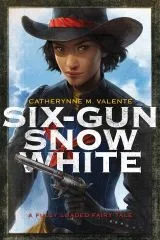 “Snow White” similarly provides inspiration for Catherynne M. Valente’s novella Six-Gun Snow White (2013), an adaptation of the tale set against a backdrop of settler colonialism. Revolving around the sexual commodification of women, the haunting legacy of Indian orphanages, and the possibility of feminist utopias, Valente’s retelling joins other contemporary versions to contest the dominant ideas of beauty, femininity, and race at the heart of “Snow White.”
The remaking of fairy tales and the business of remaking fairy tales are obviously two distinctly different undertakings. While Disney — as a corporate studio famous for creating the magic kingdoms that have made the brand synonymous with the fairy tale itself — may need to balance calls for inclusion with an insistence on tradition, literary authors have much greater freedom. Even so, at a moment when white supremacy runs rampant under the banner of American greatness and calls for a return to tradition, it might still feel risky to create alternative fairy-tale worlds.
And yet, that is exactly the risk we must take if we are to bring about the compassionate and just world of our most ambitious fairy-tale dreams.