
Close Menu
New York Examiner News

    Subscribe to Updates

    Get the latest creative news from FooBar about art, design and business.

    What's Hot

    Audrey Hobert Maps Out 2026 North American Tour

    January 16, 2026

    How Trump became a death knell for the 85-year relationship between farmers and the federal government

    January 16, 2026

    LIVE NOW: First Lady Melania Trump Delivers Opening Remarks at National AI

    January 16, 2026
    Facebook X (Twitter) Instagram
    New York Examiner News
    • Home
    • US News
    • Politics
    • Business
    • Science
    • Technology
    • Lifestyle
    • Music
    • Television
    • Film
    • Books
    • Contact
      • About
      • Amazon Disclaimer
      • DMCA / Copyrights Disclaimer
      • Terms and Conditions
      • Privacy Policy
    New York Examiner News
    Home»Business»The eel wars: Japan and America fight tooth and nail against new protections as some freshwater populations plunge over 90% from the 1980s
    Business

    The eel wars: Japan and America fight tooth and nail against new protections as some freshwater populations plunge over 90% from the 1980s

    By AdminNovember 29, 2025
    Facebook Twitter Pinterest LinkedIn WhatsApp Email Reddit Telegram
    The eel wars: Japan and America fight tooth and nail against new protections as some freshwater populations plunge over 90% from the 1980s


    Eels are the stuff of nightmares — slimy, snakelike creatures that lay millions of eggs before dying so their offspring can return home to rivers and streams. They’ve existed since the time of the dinosaurs, and some species are more poorly understood than those ancient animals.

    Yet they’re also valuable seafood fish that are declining all over the world, leading to a new push for restrictions on trade to help stave off extinction.

    Freshwater eels are critically important for the worldwide sushi industry, and some species have declined by more than 90% since the 1980s. The eels have succumbed to a combination of river dams, hydroelectric turbines, pollution, habitat loss, climate change, illegal poaching and overfishing, according to scientists. Some environmental organizations have called for consumers to boycott eel at sushi restaurants.

    The loss of eels motivated the Convention on International Trade in Endangered Species of Wild Fauna and Flora, or CITES, to consider new restrictions to protect the wriggling fish. The members of CITES, an international treaty, met in Uzbekistan this week to determine if the new rules on trade are needed. Member nations voted against the new protections on Thursday.

    Conservation groups said the protections were long overdue, but not everyone was on board. Some fishing groups, seafood industry members and regulatory agencies in the U.S., China and Japan — all countries where eel is economically important — have spoken out against restricting the trade.

    The push for more restrictions is the work of “an international body dominated by volunteer scientists and unelected bureaucrats,” said Mitchell Feigenbaum, one of North America’s largest eel dealers and an advocate for the industry. But several conservation groups countered that the protections were needed.

    “This measure is vital to strengthen trade monitoring, aid fisheries management, and ensure the species’ long-term survival,” said Susan Lieberman, vice president of international policy for Wildlife Conservation Society.

    Why are eels so valuable?

    The eels in question are the eels of the anguilla genus, which spend their lives in freshwater but migrate to the ocean to spawn. They are distinct from the familiar, grinning moray eels, which are popular in aquariums and are mostly marine fish, and the electric eels, which live in South America.

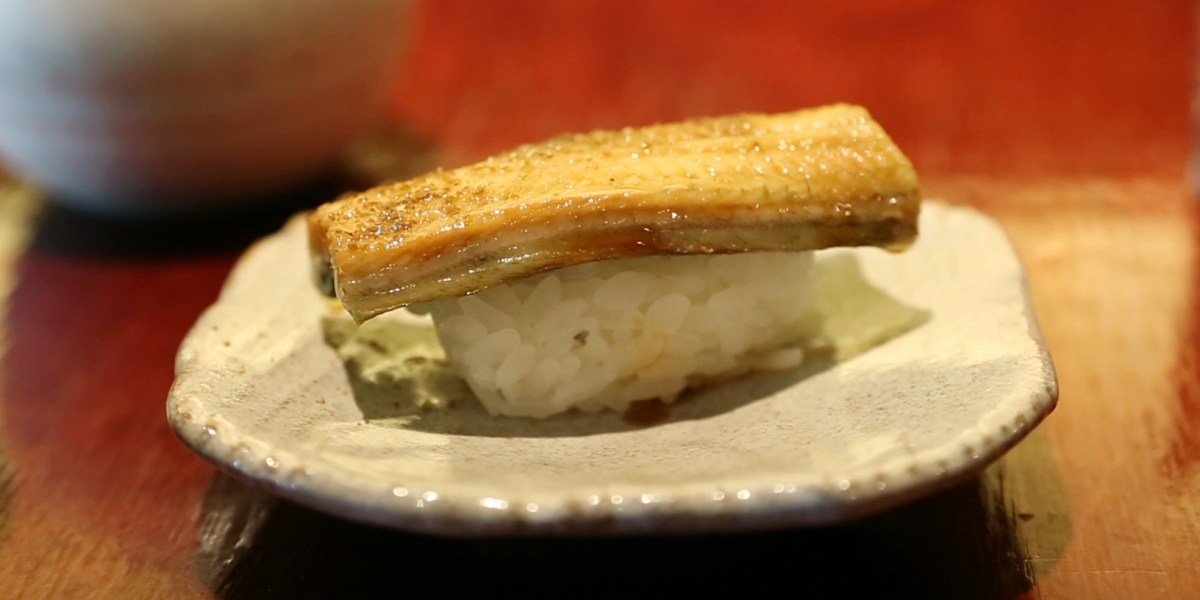
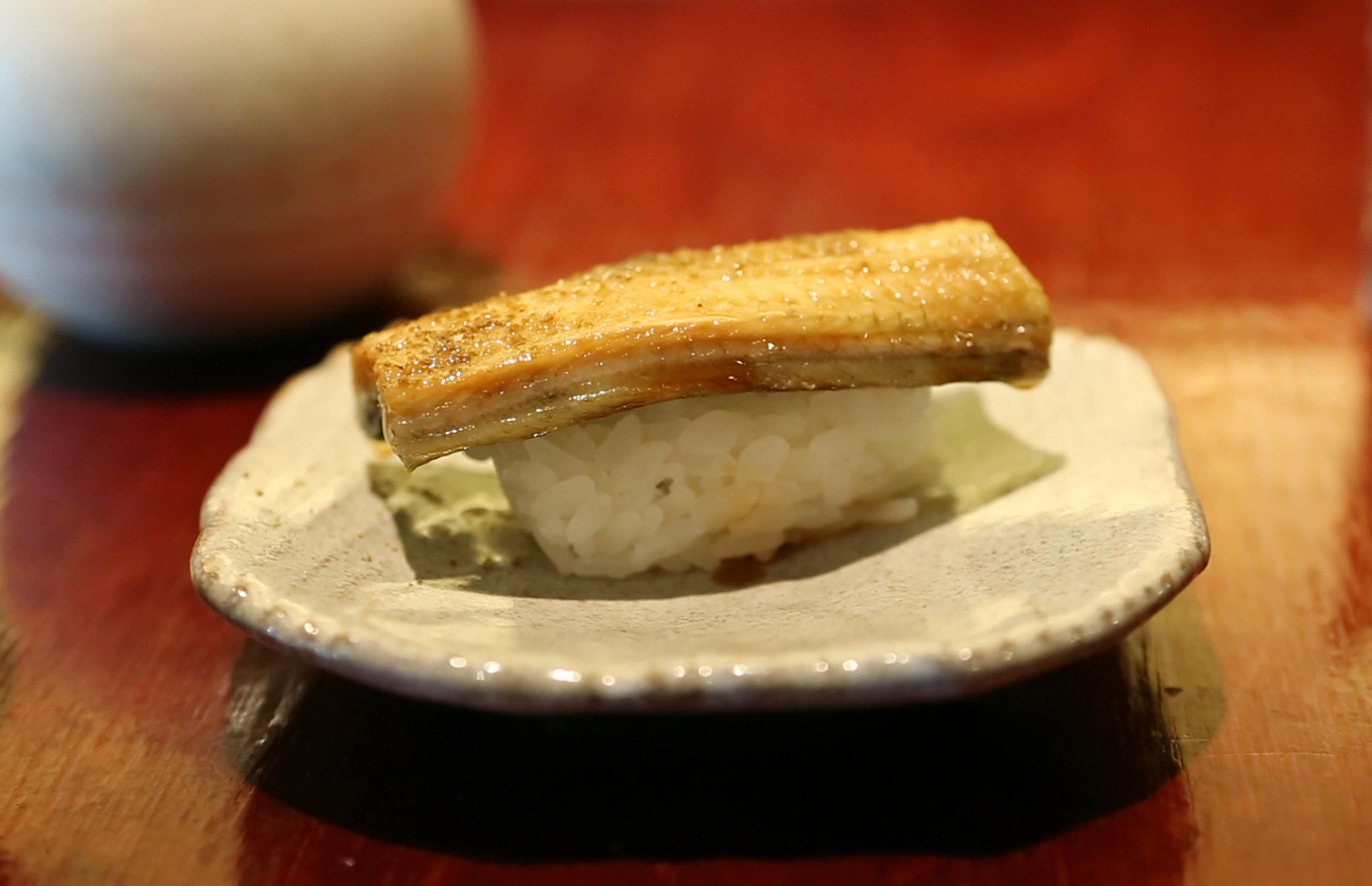
    Anguilla eels, especially baby eels called elvers, are valuable because they are used as seed stock by Asian aquaculture companies that raise them to maturity for use as food. Freshwater eel is known as unagi in Japan, and it’s a key ingredient in numerous sushi dishes. Eel is also culturally significant in Japan, where people have eaten the fish for thousands of years.

    The elvers have become more valuable in the U.S. over the last 15 years because of the steep decline of eels elsewhere in the world. While the population of American eels has fallen, the drop has not been as severe as Japanese and European eels. Attempts to list American eels under the Endangered Species Act in the U.S. have failed.

    Maine is the only U.S. state with a significant fishery for the elvers, and it is heavily regulated. Maine’s baby eels were worth more than $1,200 per pound at the docks in 2024, and they were worth more than $2,000 per pound the year before that.

    New protections were on the table

    CITES, which is one of the world’s largest multinational wildlife agreements, extended protections to European eels in 2009. The organization considered adding more than a dozen more eel species, including the American and Japanese eels, to its list of protected species.

    Adding the eels to the list would mean exporters would need a permit to ship them. Before the permit could be granted, a scientific authority in the home country would have to determine that the export would not be detrimental to the species’ survival and that the eels weren’t taken illegally under national wildlife laws. That is significant because poaching of eels is a major threat, and rare species are often illegally passed off as more common ones, CITES documents state.

    Tightening trade rules “will encourage species-specific trade monitoring and controls and close loopholes that allow illegal trade to persist,” the documents state.

    US, Japan pushed back at protections

    Fishing groups are not the only organizations to resist expanding protections for eels, as regulatory groups in some countries have argued that national and regional laws are a better way to conserve eels.

    Japan and China have both told CITES that they don’t support listing the eels. And in the U.S., the Atlantic States Marine Fisheries Commission, which regulates the American eel fishery, submitted testimony to CITES opposing the listing.

    The U.S.’s own management of eels is sufficient to protect the species, said Toni Kerns, fisheries policy director with the commission.

    “We don’t feel that the proposal provides enough information on how the black market would be curbed,” Kerns said. “We are very concerned about how it would potentially restrict trade in the United States.”

    A coalition of industry groups in China, Japan, South Korea and Taiwan also submitted a request that the protection be rejected, saying CITES’ assertion that international trade is causing eel populations to decline is “not supported by sufficient evidence.”

    Conservationists say the time to act is now

    The strong demand for eels is a reason to protect the trade with new rules, said Nastya Timoshyna, office director for Europe with TRAFFIC, a U.K.-based nonprofit that fights wildlife trafficking.

    Illegal shipping is not the only reason the eels are in decline, but working with industry to cut down illegal trade will give the fish a better chance at survival, Timoshyna said.

    Eels might not be universally beloved, but they’re important in part because they’re an indicator species that helps scientists understand the health of the ecosystem around them, Timoshyna said.

    “It’s not about banning it or stopping fishing practices,” Timoshyna said. “It’s about industry being responsible, and there is massive power in industry.”

    ___

    Associated Press writer Michael Casey in Boston contributed to this report.


    Original Source Link

    Share. Facebook Twitter Pinterest LinkedIn WhatsApp Email Reddit Telegram
    Previous ArticleTrump Melts Down Over National Guard Shooting That He Caused
    Next Article Jack White and Eminem Unite for Halftime Show at Detroit Lions Thanksgiving Game: Watch

    RELATED POSTS

    How Trump became a death knell for the 85-year relationship between farmers and the federal government

    January 16, 2026

    Protect your agentic AI before you wreck your agentic AI

    January 16, 2026

    Customers lament Tesla’s move toward monthly fees for self-driving cars

    January 15, 2026

    AI ‘godfather’ Yoshua Bengio believes he’s found a technical fix for AI’s biggest risks 

    January 15, 2026

    Citigroup CEO Jane Fraser warns of job cuts and says it’s time to raise the bar in memo to staff

    January 14, 2026

    What Apple’s AI deal with Google means for the two tech giants, and for $500 billion ‘upstart’ OpenAI

    January 14, 2026
    latest posts

    Audrey Hobert Maps Out 2026 North American Tour

    Rising pop artist Audrey Hobert has announced a 2026 North American tour in support of…

    How Trump became a death knell for the 85-year relationship between farmers and the federal government

    January 16, 2026

    LIVE NOW: First Lady Melania Trump Delivers Opening Remarks at National AI

    January 16, 2026

    Darren Waller said he was booted from exit meeting right before Mike McDaniel’s firing

    January 16, 2026

    Ads Are Coming to ChatGPT. Here’s How They’ll Work

    January 16, 2026

    Meat may play an unexpected role in helping people reach 100

    January 16, 2026

    PlayStation Plus Gamers Praise 90-Hour RPG That’ll Kick Your Butt

    January 16, 2026
    Categories
    • Books (1,005)
    • Business (5,910)
    • Events (29)
    • Film (5,846)
    • Lifestyle (3,956)
    • Music (5,947)
    • Politics (5,911)
    • Science (5,261)
    • Technology (5,840)
    • Television (5,524)
    • Uncategorized (6)
    • US News (5,898)
    popular posts

    Meta’s vision for Threads is more mega-mall than public square

    In the latest sign that Meta’s new Twitter lookalike Threads is unlikely to capture the…

    TV Ratings for Monday, Feb. 6: ‘The Neighborhood’ ‘NCIS’

    February 7, 2023

    SCOTUS Clerks Ordered to Turn Over Phone Records

    June 1, 2022

    The S&P 500 is close to market peak based on how many ‘bear market signposts’ it’s hitting, BofA says: a whopping 60%

    October 22, 2025
    Archives
    Browse By Category
    • Books (1,005)
    • Business (5,910)
    • Events (29)
    • Film (5,846)
    • Lifestyle (3,956)
    • Music (5,947)
    • Politics (5,911)
    • Science (5,261)
    • Technology (5,840)
    • Television (5,524)
    • Uncategorized (6)
    • US News (5,898)
    About Us

    We are a creativity led international team with a digital soul. Our work is a custom built by the storytellers and strategists with a flair for exploiting the latest advancements in media and technology.

    Most of all, we stand behind our ideas and believe in creativity as the most powerful force in business.

    What makes us Different

    We care. We collaborate. We do great work. And we do it with a smile, because we’re pretty damn excited to do what we do. If you would like details on what else we can do visit out Contact page.

    Our Picks

    Meat may play an unexpected role in helping people reach 100

    January 16, 2026

    PlayStation Plus Gamers Praise 90-Hour RPG That’ll Kick Your Butt

    January 16, 2026

    HGTV’s Jasmine Roth Shares Before & After of Daughter Darla’s Nursery Makeover

    January 16, 2026
    © 2026 New York Examiner News. All rights reserved. All articles, images, product names, logos, and brands are property of their respective owners. All company, product and service names used in this website are for identification purposes only. Use of these names, logos, and brands does not imply endorsement unless specified. By using this site, you agree to the Terms & Conditions and Privacy Policy.

    Type above and press Enter to search. Press Esc to cancel.

    We use cookies on our website to give you the most relevant experience by remembering your preferences and repeat visits. By clicking “Accept All”, you consent to the use of ALL the cookies. However, you may visit "Cookie Settings" to provide a controlled consent.
    Cookie SettingsAccept All
    Manage consent

    Privacy Overview

    This website uses cookies to improve your experience while you navigate through the website. Out of these, the cookies that are categorized as necessary are stored on your browser as they are essential for the working of basic functionalities of the website. We also use third-party cookies that help us analyze and understand how you use this website. These cookies will be stored in your browser only with your consent. You also have the option to opt-out of these cookies. But opting out of some of these cookies may affect your browsing experience.
    Necessary
    Always Enabled
    Necessary cookies are absolutely essential for the website to function properly. These cookies ensure basic functionalities and security features of the website, anonymously.
    CookieDurationDescription
    cookielawinfo-checkbox-analytics11 monthsThis cookie is set by GDPR Cookie Consent plugin. The cookie is used to store the user consent for the cookies in the category "Analytics".
    cookielawinfo-checkbox-functional11 monthsThe cookie is set by GDPR cookie consent to record the user consent for the cookies in the category "Functional".
    cookielawinfo-checkbox-necessary11 monthsThis cookie is set by GDPR Cookie Consent plugin. The cookies is used to store the user consent for the cookies in the category "Necessary".
    cookielawinfo-checkbox-others11 monthsThis cookie is set by GDPR Cookie Consent plugin. The cookie is used to store the user consent for the cookies in the category "Other.
    cookielawinfo-checkbox-performance11 monthsThis cookie is set by GDPR Cookie Consent plugin. The cookie is used to store the user consent for the cookies in the category "Performance".
    viewed_cookie_policy11 monthsThe cookie is set by the GDPR Cookie Consent plugin and is used to store whether or not user has consented to the use of cookies. It does not store any personal data.
    Functional
    Functional cookies help to perform certain functionalities like sharing the content of the website on social media platforms, collect feedbacks, and other third-party features.
    Performance
    Performance cookies are used to understand and analyze the key performance indexes of the website which helps in delivering a better user experience for the visitors.
    Analytics
    Analytical cookies are used to understand how visitors interact with the website. These cookies help provide information on metrics the number of visitors, bounce rate, traffic source, etc.
    Advertisement
    Advertisement cookies are used to provide visitors with relevant ads and marketing campaigns. These cookies track visitors across websites and collect information to provide customized ads.
    Others
    Other uncategorized cookies are those that are being analyzed and have not been classified into a category as yet.
    SAVE & ACCEPT