


We independently evaluate all recommended products and services. Any products or services put forward appear in no particular order. if you click on links we provide, we may receive compensation.
We could start this off at the beginning of time, but to respect your attention span (and ours, to be honest), let’s start somewhere around 1968.
Setting the scene: Steve McQueen steps onto the set of The Thomas Crown Affair, his bespoke three-piece suit moving with the ease of a second skin. His Persol 714 sunglasses catch the morning light, creating an image of effortless sophistication.
This kind of scene would influence menswear for decades to come.
Fast forward to the early 80s: David Bowie transforms the stage in a fluorescent suit that somehow marries avant-garde rebellion with precise tailoring.
Then, landing right where we are today, Harry Styles commands red carpets in a sheer Gucci blouse and pearl earring, embodying an era where fashion transcends traditional boundaries.
These aren’t just mere moments in time—they’re seismic shifts in the evolution of masculine style.
From the raw charisma of James Dean to the sartorial mastery of Tom Ford, fashion icons have done more than influence trends–they’ve fundamentally redefined our understanding of masculinity itself. Their impact ripples from haute couture runways to street corners, reshaping how generations of men approach personal style.
What Makes a Fashion Icon?

A fashion icon isn’t someone who merely dresses well. It’s the type of person who helps shift the conversation, set new standards, and make personal style feel bigger than just the clothes you put on your body.
True influence is a mix of authenticity, timing, and a willingness to push boundaries. Some redefine masculinity, others introduce new aesthetics to the mainstream, but all leave a lasting mark.
Consider the summer of 1998, when masculinity was still confined to rigid boundaries. David Beckham strolled along the French Riviera wearing a Jean-Paul Gaultier sarong over jeans. What could have been fashion suicide became a watershed moment in menswear.
This wasn’t a carefully orchestrated publicity stunt—it was simply Beckham being Beckham, wearing what caught his eye with the same natural confidence he displayed on the field.
This authenticity transformed what might have been a mere wardrobe malfunction into a cultural touchstone. Today, when Timothée Chalamet dons a backless Haider Ackermann jumpsuit or Billy Porter sweeps down red carpets in flowing gowns, they’re walking a path that Beckham (and many others) helped pave—one where men’s fashion isn’t bound by traditional constraints but liberated by personal expression.
This is what defines a true fashion icon. But to break it down into one answer, it comes down to four essential elements:
The Four Pillars of Iconic Style

1. Authenticity Style that isn’t built around chasing trends—it’s about wearing what feels right, no matter how expected or unexpected. True icons possess a natural confidence that transforms clothes into personal statements, maintaining consistency in their aesthetic choices while allowing for evolution. Ryan Gosling exemplifies this through his minimalist approach, which feels genuine because it aligns perfectly with his reserved public persona.
2. Cultural Impact The best-dressed men don’t solely reflect their time; they challenge it. Their influence extends beyond fashion into broader cultural conversations, creating lasting style movements that outlive trends. Consider Pharrell Williams bridging the gap between streetwear and luxury fashion, paving the way for modern high-low mixing that has become ubiquitous in contemporary style.
3. Innovation Breaking conventional boundaries requires purpose and vision. Icons introduce unexpected style combinations that become new classics, reimagining traditional elements for contemporary contexts. Lewis Hamilton demonstrates this through his fusion of high fashion with Formula 1 culture, creating a new paradigm for athlete style that extends far beyond the racetrack.
4. Timeless Appeal A single viral look is one thing; shaping how people dress for decades is another. True iconic style transcends its era while remaining relevant, continuing to inspire new generations with universal principles that can be adapted across cultures and contexts. Steve McQueen’s influence on casual luxury endures precisely because it spoke to something fundamental about masculine style—a lesson still referenced by brands and designers today.
Who Are the Most Influential Men’s Fashion Icons?
Classic Sophistication: Cary Grant, Paul Newman, JFK
Rebellious Icons: James Dean, Johnny Depp, Robert Pattinson
Luxury & Modern Tailoring: Idris Elba, Bradley Cooper, David Gandy, Ryan Reynolds
Streetwear Pioneers: Pharrell Williams, ASAP Rocky, Lewis Hamilton
New Generation: Jacob Elordi, Austin Butler, Chris Hemsworth
Fashion Icons Through The Decades
The 1960s: The Revolution of Masculine Style

Cultural Earthquake
The 1960s marked a seismic shift in men’s fashion consciousness. JFK’s presidency ushered in a new era of political style, with his two-button suits and casual Americana creating a template for power dressing that balanced authority with approachability. His influence extended beyond politics, affecting how successful men everywhere approached their wardrobes.
Meanwhile, Paul Newman and Alain Delon demonstrated how simplicity could become the ultimate sophistication. His approach to casual wear—perfectly fitted t-shirts, well-worn jeans, and leather jackets—created a blueprint for elevated casual style that influences modern icons like Chris Pine and Ryan Reynolds.
The Kennedy Effect: Redefining Power Dressing

JFK’s contribution to men’s style went far beyond his suits. His approach to casual wear, particularly during summers in Hyannis Port, created a distinctly American take on leisure clothing that influenced generations:
The elevation of sportswear to acceptable casual wear
Integration of prep school classics into mainstream fashion
Use of casual clothing in public settings while maintaining dignity
Balance of formal and informal elements
This legacy continues through modern politicians, actors like Daniel Craig, fictional characters (we’re looking at you, 007), and business leaders, who still reference his ability to project authority while maintaining accessibility.
The 1970s: When Style Broke All Boundaries

The Era of Experimentation
The 1970s ushered in an unprecedented era of style experimentation, where traditional rules of menswear were not just bent but completely shattered. Robert Redford pioneered a new kind of American luxury that influences stars like Zac Efron and Tom Holland today. His approach to casual wear—mixing collegiate classics with Western elements—created a uniquely American style language that continues to resonate.
Meanwhile, David Bowie revolutionized gender expression in fashion, creating a path that Harry Styles and others follow today. Bowie’s fearless mixing of masculine and feminine elements was a thoughtful exploration of identity through clothing that changed fashion forever.
The Business of Style: Gianni Agnelli’s Revolution
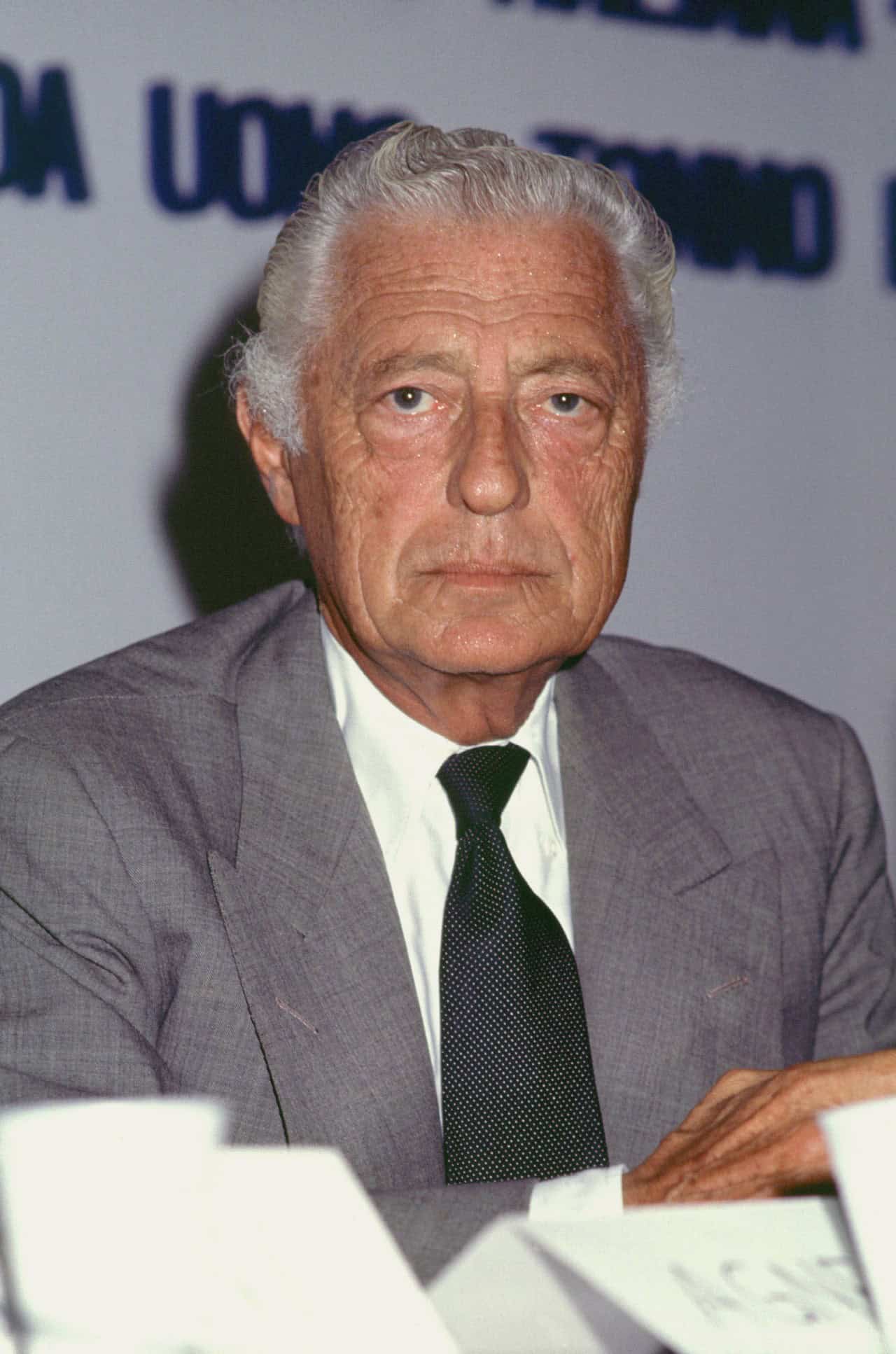
Gianni Agnelli‘s influence on business style cannot be overstated. The Italian industrialist introduced sprezzatura to the mainstream, showing how calculated imperfection could make formal wear feel more personal and lived-in:
- Wearing his watch over his shirt cuff
- Leaving his tie slightly askew
- Unbuttoned shirt collars with suits
- Mixing patterns and textures boldly
His influence continues through modern business style icons like Tom Ford and shapes how contemporary leaders approach formal wear.
The 1980s: Power Dressing Meets Rebellion

Music’s Fashion Revolution
The 1980s saw the rise of musicians as style icons, with Lenny Kravitz leading a revolution in rock style that still influences fashion today. His impact includes:
- Fusion of vintage and contemporary pieces
- Elevation of stage wear to high fashion
- Integration of luxury brands into rock aesthetic
- Gender-fluid accessories and styling
This legacy continues through modern musicians like John Mayer and Drake, who blur the lines between performer and fashion icon.
Hollywood’s New Wave

Harrison Ford brought rugged sophistication to both on-screen and off-duty looks, while Johnny Depp began his journey as an alternative fashion pioneer. Their influence extended beyond their roles:
- Ford’s rugged refinement influenced a generation of leading men
- Depp’s bohemian approach changed how actors approached personal style
- Both created templates for authentic celebrity style
Modern actors like Jason Momoa and Chris Hemsworth continue this tradition of authentic personal style that transcends typical Hollywood glamour.
The 1990s: Minimalism Meets Street

The Rise of Understated Luxury
The 1990s birthed a new kind of cool, marking a dramatic shift from the excess of the 1980s. Icons like Brad Pitt and Johnny Depp championed a refined simplicity that would influence generations of style leaders. When Brad Pitt appeared in a minimalist leather jacket and plain white tee for the “Fight Club” premiere, he demonstrated how restraint could make a stronger statement than flash. This approach continues to influence modern style icons like Robert Pattinson and Tom Hardy, who carry forward the tradition of understated luxury with their own contemporary twist.
This era established several enduring principles:
The power of capsule wardrobes became evident as fashion leaders proved that a carefully curated collection of quality pieces could outlast seasonal trends
Quality over quantity emerged as the new luxury paradigm, with investment pieces replacing conspicuous consumption
Normcore aesthetics took root years before the term existed, as simple, well-made basics became status symbols in their own right
The fusion of luxury and streetwear began as high-end brands started incorporating elements of street culture into their collections
The Grunge Influence

While the grunge movement emerged from Seattle’s music scene with an anti-establishment ethos, its impact on fashion proved revolutionary. Kurt Cobain‘s thrift store cardigans and Doc Martens weren’t just a look—they were a philosophy about authenticity that high fashion couldn’t ignore. The movement’s influence manifested in ways that continue to shape contemporary style:
- Layering evolved from necessity to artistic expression, with designers and stylists embracing the complex interplay of textures and proportions.
- Distressed elements entered the luxury space, with deliberately worn or aged pieces commanding premium prices.
- Mixed price points became acceptable in styling, breaking down barriers between high and low fashion.
- Authenticity trumped polish, leading to a more relaxed approach to personal style.
- Vintage clothing gained new prestige, transforming secondhand shopping from necessity to virtue.
Modern interpreters like Shia LaBeouf have taken these principles and adapted them for contemporary contexts, proving that grunge’s core values—authenticity, individuality, and a certain calculated carelessness—remain relevant decades later.
Streetwear’s Rise to High Fashion

The 90s marked the beginning of streetwear’s transformation from subcultural style to high fashion influence. What started with brands like Stüssy and Supreme operating on society’s margins would eventually reshape the entire fashion landscape:
- Luxury sneaker culture emerged as athletic footwear began crossing class and cultural boundaries
- Sportswear integration into high fashion accelerated, with designers like Giorgio Armani incorporating technical fabrics and athletic influences into luxury collections.
- Street-influenced designers gained prominence, as figures like James Jebbia and Nigo demonstrated that authenticity could build global brands.
- Fashion democratization through urban wear created new paths to luxury, challenging traditional gatekeepers.
- Cross-cultural collaboration became standard practice, with Japanese streetwear particularly influential in bridging East and West.
- Limited edition drops and collaboration models emerged as new marketing strategies, forever changing how fashion creates desire.
This era laid the groundwork for today’s fashion landscape, where boundaries between street and luxury, high and low, underground and mainstream have become increasingly fluid. The DNA of 90s style innovation can be seen in everything from Virgil Abloh’s work at Louis Vuitton to the continued relevance of brands like Palace and Supreme.
The influence of 90s style continues to evolve through modern interpretations. Contemporary designers and style leaders regularly reference and reinterpret these foundational elements, proving that the decade’s contributions to fashion weren’t just trendsetting—they were truly transformative.
The 2000s: The Digital Revolution

Celebrity Style Goes Global
The 2000s marked a seismic shift in how style spread and influenced culture, powered by the rise of digital media and instant global communication. No figure better exemplifies this transformation than David Beckham, who transcended his role as a footballer to become a global style phenomenon. His evolution from Manchester United midfielder to international fashion icon demonstrated that athletes could be as influential in the front row as they were on the field.
Beckham’s impact was multifaceted:
- He challenged traditional masculinity through bold style choices, from sarongs to diamond earrings
- His ever-evolving hairstyles became global trends, copied from Manchester to Manila
- His marriage to Victoria Beckham created a new kind of power couple, where fashion became part of their joint brand
- His endorsements transformed from simple sports contracts to lifestyle partnerships with luxury brands
This paved the way for today’s athlete-icons like Lewis Hamilton, whose collaboration with Tommy Hilfiger showed how sports stars could shape luxury fashion, and Tom Brady, whose technical apparel line proves athletes can be genuine fashion innovators, not just faces of existing brands.
The Rise of the Designer-Icon

Tom Ford’s transformation from Gucci’s creative savior to a style icon in his own right revolutionized how we view designers. Unlike his predecessors who often remained behind the scenes, Ford became the living embodiment of his aesthetic, setting new standards for modern luxury through:
- A perfectionist approach to tailoring that emphasized the power of impeccable fit
- Mathematical precision in proportions that made classical menswear feel contemporary
- The modernization of classic menswear through subtle innovations in fabric and cut
- Strategic integration of sexuality into mainstream menswear without compromising sophistication
- A holistic approach to personal presentation that extended beyond clothing to grooming and lifestyle
- The creation of a complete aesthetic universe that encompassed fashion, film, and personal branding
His influence resonates in how modern celebrities approach formal wear. Chris Pine’s red carpet appearances echo Ford’s emphasis on perfect proportions, while Ryan Gosling’s minimalist sophistication draws from Ford’s lessons in restraint and quality.
Streetwear Goes Luxury

Pharrell Williams didn’t just bridge the gap between streetwear and luxury—he erased it entirely. His approach to style demonstrated that authentic street culture could coexist with high fashion, creating a new paradigm for modern dress:
- He pioneered high-low mixing that felt organic rather than contrived, pairing vintage t-shirts with Chanel jackets
- His collaborations with luxury brands showed how street culture could elevate traditional luxury houses
- His gender-neutral approach to accessories (particularly his work with Chanel) helped normalize men wearing traditionally feminine pieces
- His elevation of sneaker culture through collaborations with adidas and other brands set new standards for footwear
- His embrace of color and pattern challenged minimalist orthodoxy
- His influence on skateboard culture through Ice Cream and Billionaire Boys Club showed how street brands could maintain credibility while achieving commercial success
This groundbreaking approach continues to influence contemporary artists like Drake, whose OVO line bridges street culture and luxury, and Kendrick Lamar, whose Nike collaborations prove that authenticity and commercial success aren’t mutually exclusive. Their work further dissolves the boundaries between street style and high fashion, creating a new luxury paradigm that’s more inclusive and democratic.
The digital revolution of the 2000s didn’t just change how we consumed fashion—it transformed who could influence it and how that influence spread. Through social media, blogs, and digital magazines, style became more democratic while simultaneously more sophisticated, setting the stage for today’s complex fashion landscape where influences flow freely between high and low, street and luxury, digital and physical.
The 2010s: Social Media and Style Democracy

The Instagram Effect
Social media fundamentally restructured fashion’s hierarchy, transforming it from a top-down system dictated by magazines and designers into a global, real-time conversation. A$AP Rocky’s ascent from Harlem trendsetter and Justin Bieber’s evolution from teen pop star to global style icon perfectly embody this revolution:
- Real-time style influence became the new normal, with outfits going viral and sparking trends within hours.
- The relationship between consumers and brands evolved into a direct dialogue, with feedback and preferences shared instantly.
- Instagram became fashion’s new front row, where influence was measured in engagement rather than traditional industry credentials.
- Traditional fashion seasons dissolved as the constant content cycle created an always-on style environment.
- Micro-trends emerged and evolved at unprecedented speed, enabled by fast fashion and social sharing.
- Street style photography evolved from niche documentation to a major force in trend creation.
- The rise of influencer culture created new pathways to fashion influence outside traditional channels.
Athletes Leading Fashion Innovation

Modern athletes like Lewis Hamilton and Tom Brady have transcended traditional sportswear boundaries, creating new paradigms for athlete-driven fashion:
- Personal fashion brands have evolved from simple merchandise to legitimate luxury offerings.
- Sustainability initiatives are integrated into sportswear development, setting new industry standards.
- Technical innovation in everyday wear brings performance features to daily life.
- Luxury brand ambassadorships have evolved into true creative partnerships.
- Athletes are increasingly involved in design processes, not just marketing.
- Performance wear and luxury fashion have become increasingly intertwined.
- The athlete-as-designer model has gained legitimate industry respect.
The 2020s: Breaking All Boundaries

The New Style Paradigm
The current decade has ushered in an era where traditional style rules aren’t just bent—they’re fundamentally questioned. People like Harry Styles or Kendrick Lamar lead a generation that approaches clothing as a form of radical self-expression:
- Gender-fluid fashion moved from fringe statement to mainstream acceptance.
- Historical references are freely mixed and recontextualized, from Victorian ruffles to 70s flares.
- Bold color and pattern choices reflect a generation’s rejection of minimalist constraints.
- Personal narrative became as important as the clothes themselves.
- Sustainability entered the mainstream conversation about luxury and style.
- Digital fashion and NFTs created new possibilities for style expression.
- The pandemic accelerated the breakdown of formal/casual boundaries.
- Virtual influence became as important as physical presence.
The Next Generation

Rising stars like Jacob Elordi and Austin Butler are pushing these boundaries even further. Elordi’s sophisticated take on casual wear and Butler’s modern interpretation of old Hollywood glamour show how young actors are crafting distinct personal styles that respect tradition while embracing innovation:
- They combine classic Hollywood appeal with contemporary sensibilities.
- Their red carpet choices balance risk-taking with timeless elegance.
- They demonstrate how young stars can build authentic personal brands through style.
- Their influence extends beyond fashion into broader conversations about masculinity and self-expression.
- They show how social media can amplify traditional celebrity influence.
- Their approach to style reflects a generation’s comfort with fluid identity and self-expression.
- They’re helping redefine what it means to be a leading man in the modern era.
The 2020s represent a culmination of previous decades’ evolution while pointing toward a future where style is increasingly personal, fluid, and democratized. Digital innovation, social consciousness, and individual expression continue to reshape how we think about and engage with fashion.
Style Evolution Framework
| Era | Key Innovation | Cultural Context | Modern Impact | Contemporary Icon |
|---|---|---|---|---|
| 60s | Slim Tailoring | Youth Culture Revolution | Minimalist Suiting | Ryan Gosling |
| 70s | Gender Fluidity | Sexual Revolution | Inclusive Fashion | Harry Styles |
| 80s | Power Dressing | Economic Boom | Luxury Streetwear | Tom Ford |
| 90s | Minimalism | Grunge Movement | Clean Aesthetics | Brad Pitt |
| 00s | High-Low Mix | Digital Revolution | Street Luxury | Justin Bieber |
| 10s | Athleisure | Social Media Era | Technical Wear | Lewis Hamilton |
| 20s | Digital Style | Meta Fashion | Virtual Fashion | Jacob Elordi |
The Next Wave of Style Icons

Digital-First Influence
The next generation of style icons, exemplified by Tom Holland and Austin Butler, demonstrates how modern celebrity influence has evolved in the digital age. Their approach represents a sophisticated understanding of how personal style translates across platforms:
- Strategic social media presence has become crucial, with each post carefully crafted to build a cohesive style narrative.
- Collaboration with digital-first brands shows understanding of new luxury paradigms.
- Red carpet moments are balanced with curated street style, creating a more complete style persona.
- Vintage pieces are thoughtfully integrated with contemporary designs, showing both historical awareness and modern sensibility.
- Behind-the-scenes content provides authenticity and accessibility.
- Digital storytelling through fashion creates deeper connections with audiences.
- Real-time style evolution is documented across platforms, creating a more intimate relationship with followers.
Creating Your Own Iconic Style

Foundation Principles
1. Authenticity Development
- Begin with a thorough assessment of your lifestyle needs and practical requirements.
- Identify personal style heroes whose aesthetic resonates with your own.
- Document specific pieces and outfits that boost your confidence.
- Build your wardrobe gradually, avoiding impulsive purchases.
- Develop a style journal to track what works and what doesn’t.
- Consider your environment and context when making choices.
- Allow your personal history to inform your style choices.
2. Wardrobe Architecture
- Investment in versatile core pieces that form the foundation of your wardrobe.
- Meticulous attention to fit and proportion as the basis of style.
- Development of a consistent, personalized color palette.
- Strategic use of accessories to add personality and versatility.
- Creation of a modular wardrobe system.
- Regular assessment and refinement of core pieces.
- Seasonal planning with long-term vision.
3. Quality Investment Strategy
- Scientific analysis of your most-worn categories to guide investment (we love using a spreadsheet, but if that’s not your style, try writing down what you wear for a week and see what repeats there are).
- Deep research into construction methods and material quality. Sometimes the product description just doesn’t cut it – when that comes up try youtube or even TikTok (or even search for our reporting) for some hands-on reviews.
- Building meaningful relationships with trusted brands and tailors. Due to the nature of how we get our clothes now, investing in a tailor for better fits can make all the difference (and often don’t break the bank).
- Sophisticated cost-per-wear analysis for major purchases (for us, this helps elevate high price-tag guilt).
- Understanding of maintenance requirements for quality pieces. This also means understanding yourself – are you really going to dry clean something? If not, skip it. The best thing to do is always be honest with yourself – there is nothing wrong with building a versatile, easy-to-maintain wardrobe.
- Development of a long-term investment strategy. This means saving up! Not everyone can drop hundreds of dollars (even thousands) every week.
- Regular wardrobe audits to assess return on investment. This is where second-hand selling sites come in handy!
Final Thoughts
The journey of men’s style from the minimalist 90s through the digital revolution of the 2000s to today’s boundary-breaking era tells a story of continuous evolution and democratization.
What began as a rigid, top-down system has transformed into an open dialogue where athletes can become luxury designers, actors can challenge gender norms, and social media can mint new style icons overnight.
Yet amid this rapid change, certain principles remain steadfast: authenticity still trumps trend-chasing, quality still outlasts quantity, and personal confidence still outweighs any designer label. As we look to the future, technology promises even greater personalization through AI styling and virtual fashion, while sustainability and gender fluidity reshape industry foundations.
But perhaps the most powerful lesson from decades of men’s style evolution is this: true iconic style isn’t about following rules or copying influences—it’s about understanding these principles deeply enough to write your own rules and inspire others to do the same. Whether channeling Steve McQueen’s timeless cool or Harry Styles’ gender-fluid boldness, the future of men’s style belongs to those who dare to express their authentic selves while remaining mindful of the shoulders they stand on.

The editorial team at FashionBeans is your trusted partner in redefining modern men’s style. Established in 2007, FashionBeans has evolved into a leading authority in men’s fashion, with millions of readers seeking practical advice, expert insights, and real-world inspiration for curating their wardrobe and lifestyle.
Our editorial team combines over 50 years of collective experience in fashion journalism, styling, and retail. Each editor brings specialized expertise—from luxury fashion and sustainable style to the latest grooming technology and fragrance science. With backgrounds ranging from GQ and Esquire to personal styling for celebrities, our team ensures every recommendation comes from a place of deep industry knowledge.