

Close Menu
New York Examiner News

    Subscribe to Updates

    Get the latest creative news from FooBar about art, design and business.

    What's Hot

    Trivium’s Matt Heafy Names 3 Metal Albums That Influenced Him

    September 22, 2026

    ‘You’re a going to be a great one’: Trump tells Mamdani he has ‘potential’ to be a great mayor

    September 22, 2026

    Democrats Quietly Panicking About Republicans’ Massive Fundraising Advantage Ahead of Midterms * The Gateway Pundit * by Mike LaChance

    September 22, 2026
    Facebook X (Twitter) Instagram
    New York Examiner News
    • Home
    • US News
    • Politics
    • Business
    • Science
    • Technology
    • Lifestyle
    • Music
    • Television
    • Film
    • Books
    • Contact
      • About
      • Amazon Disclaimer
      • DMCA / Copyrights Disclaimer
      • Terms and Conditions
      • Privacy Policy
    New York Examiner News
    Home»Science»Heat Waves May Be Slow, but They Are Just as Destructive as Faster Disasters
    Science

    Heat Waves May Be Slow, but They Are Just as Destructive as Faster Disasters

    By AdminSeptember 9, 2023
    Facebook Twitter Pinterest LinkedIn WhatsApp Email Reddit Telegram
    Heat Waves May Be Slow, but They Are Just as Destructive as Faster Disasters


    Heat Waves May Be Slow, but They Are Just as Destructive as Faster Disasters

    Earlier this summer, as a brutal heat dome settled over Texas, the large pecan tree in my front yard started dropping limbs. Not twigs, mind you, but big, heavy limbs that would fall straight down with a thunk and a shoosh of dead leaves onto my front lawn. Every week or so, it would happen again. And every week, I’d haul a giant piece of an old, glorious tree, slowly dying of thirst, to the curb. 
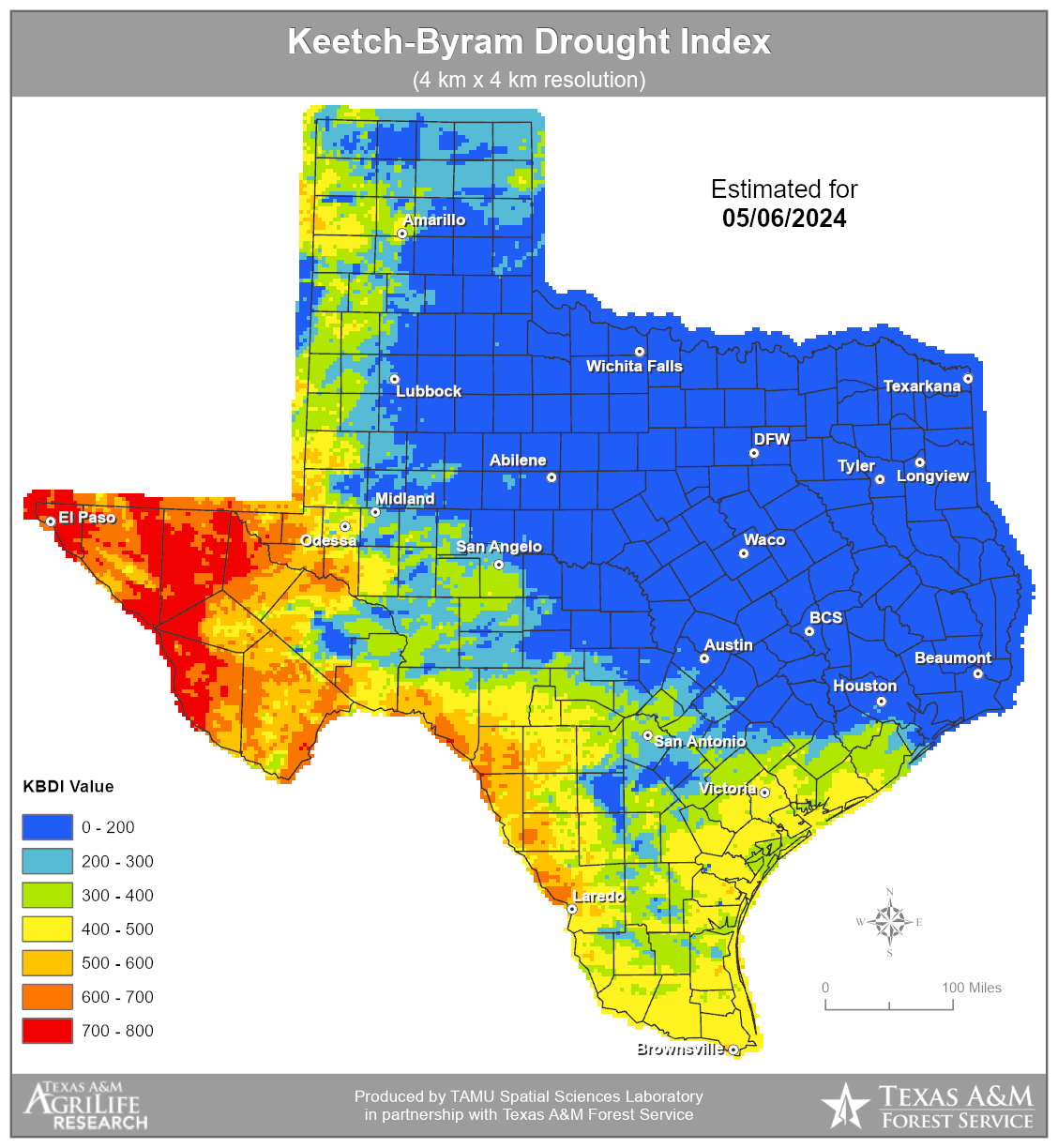
    Most of Texas has recently broken a heat-related record in one way or another. Dallas reached a record high of 110 degrees Fahrenheit amid weeks of unrelenting 100 or near 100 degrees days. Austin made history with 45 consecutive days of temperatures more than 100 degrees; El Paso hit 44 days. Houston hit 109 degrees just as kids were getting back to school. Coastal areas of the state are in the National Weather Service’s highest category for drought. 

    Heat and drought are slow disasters, ones we don’t jump to respond to, like we do for a hurricane or a tornado. The destruction is piecemeal—a buckled road here, a broken water main there, water tables and aquifers that aren’t filling as fast as we drain them. In this kind of disaster, bodies are damaged and lives are lost each day, day after day.

    Heat is normal in Texas, but what is does shouldn’t be normalized. Our climate has changed. It is changing still. For all the ferocity of this slow bake, we do not treat heat as the natural disaster it is; we underestimate its damage to our health, infrastructure, water, housing and other basics we need to survive. Heat is a powerful and destructive force, and we have to treat it as such. 

    And while we worship the sun in Texas, this sun is a vengeful god. It is early September, and minus one blissful thunderstorm a few days ago, there are literally no clouds anywhere. I can feel the backs of my knees burn and I can see my otherwise monochrome shoulders freckle if I’m outside for a bit too long. This sun tests my parenting skills: Do I let my kids, antsy and cranky from being inside, out to play in the afternoon heat? If I miss a spot when dousing them in sunscreen, will they suffer?  

    To most of the U.S., this kind of heat for this long is a bit abstract, even as cities more used to blizzards than heat waves have grappled with their own short stretches of 100 degrees. Our heat wave officially started in early June. We’ve been asked to reduce our electrical use, so I’ve shuttered my attic office and oh-so-quaintly work by sunlight in my dining room. We’ve had the power go out, and I’ve wondered if I’d missed an announcement about rolling blackouts (a dead tree that fell on a power line nearby was the likely culprit). We’ve been asked to reduce our water use—scratch that, told to—and rightfully fined if our sprinklers run on the wrong days. I had to replace an air conditioner motor that just couldn’t keep up and conked out. And a couple of weeks ago, a large crack appeared in one of my walls. My parched foundation is giving up the ghost. 

    These are the small losses of a very privileged person, but added together, what they tell me is that we are simply not equipped to weather this kind of weather every summer, as the waves get longer and the domes get hotter. Our electrical grid in Texas is famous for failing. And when my handyman texts me, asking to postpone work around my house because his day job is outside and he is literally burned out, when the delivery driver thanks me profusely for the Gatorade I offer him out of the bag he’s just dropped at my doorstep, when I see people get into arguments over walking dogs on hot sidewalks, I see how life at this temperature is stressful, harmful and terrifying.

    Is there political will around heat? Jesse Keenan, who studies climate change and infrastructure at Tulane University, told me yes. And no. The technology to fix some of these infrastructure issues is there, and cities are trying to adopt them. Some of the fixes are alarmingly simple, like painting buildings white or making roads lighter when we rebuild them so they reflect heat. But others, like updating water lines, are expensive and time-consuming. You have to do things bit by bit, when you’d rather just rip it all out and replace it at once, he explained to me. He praised cities in Arizona that have responded to their water shortage by halting development and curbing sprawl. But overall, he called our heat problems a “slow violence,” and told me that costs for things like water are going to skyrocket soon. Infrastructure doesn’t energize the electorate, we’ve been told. But if Texas is going to be livable for our kids and grandkids, if the southern half of the U.S. in general is going to survive, infrastructure is going to have to become Real Housewives–level gripping. 

    Just before school started, I took my kids on a mini vacation to the Texas hill country. I figured, if we were going to roast, we could at least do it in a different part of the state. Digital signs on the highway warned of extreme fire risk. One popular swimming hole was completely dry. Another ached for water so badly that we could see multiple bathtub lines on the cypress trees lining its banks. A pond that sources a big river had docks hanging several feet above the water line, and the waterfall at the peak of a nearby state park had run dry. My older child, miserable in the heat at 10 A.M. (I know, bad mommy), looked into small pools of water that dotted the rock faces usually submerged by the fall. Inside were fish, trapped when the water level receded. She asked me what would happen to them. I told her the truth: if the water didn’t come back soon, many would die. 

    Heat is the number one weather-related killer in the U.S. It takes a while to confirm heat-related deaths, but so far, according to my county health department’s spokesperson, there have been 13, in addition to the nearly 1,800 people who have been treated for heat-related illness. We still have a ways to go before this wave truly breaks. And right now, in Texas, far too many of us are fish in a shrinking rock pool. 

    This is an opinion and analysis article, and the views expressed by the author or authors are not necessarily those of Scientific American.


    Original Source Link

    Share. Facebook Twitter Pinterest LinkedIn WhatsApp Email Reddit Telegram
    Previous ArticleBenicio Del Toro & Alicia Silverstone in Procedural – The Hollywood Reporter
    Next Article SpaceX Must Fix 63 Issues Before Its Starship Can Fly Again

    RELATED POSTS

    What a Trump order to put political appointees in charge of NIH funding would mean for science

    September 22, 2026

    After 8 Years in Space, ‘BepiColombo’ Is Finally Approaching Mercury

    September 21, 2026

    Why human language may be intertwined with fire

    September 21, 2026

    Tiny Hairs That Help Corals Breathe May Malfunction in Warming Oceans

    September 20, 2026

    Could brain-inspired computers run on the same amount of power as a human brain?

    September 20, 2026

    Mathematicians Hate AI. They Can’t Quit It

    September 19, 2026
    latest posts

    Trivium’s Matt Heafy Names 3 Metal Albums That Influenced Him

    Trivium’s Matt Heafy opened up a bit during a recent appearance on The Garza Podcast…

    ‘You’re a going to be a great one’: Trump tells Mamdani he has ‘potential’ to be a great mayor

    September 22, 2026

    Democrats Quietly Panicking About Republicans’ Massive Fundraising Advantage Ahead of Midterms * The Gateway Pundit * by Mike LaChance

    September 22, 2026

    Giants’ season-opening high comes crashing down as Jaxson Dart’s knee injury overshadows Rams’ blowout win

    September 22, 2026

    Western Digital Promo Code: 15% Off

    September 22, 2026

    What a Trump order to put political appointees in charge of NIH funding would mean for science

    September 22, 2026

    Dungeon Crawler Carl’s Next Book Officially Begins A Brand-New Era

    September 22, 2026
    Categories
    • Books (1,505)
    • Business (6,409)
    • Events (76)
    • Film (6,343)
    • Lifestyle (4,409)
    • Music (6,473)
    • Politics (6,396)
    • Science (5,761)
    • Technology (6,342)
    • Television (6,033)
    • Uncategorized (9)
    • US News (6,396)
    popular posts

    Scientists Grew Mini Human Guts Inside Mice

    Your gut has an obvious job: It processes the food you eat. But it has…

    The Shining Theory Suggests Jack Torrance Had The Shine

    June 4, 2022

    California senator pushes ‘death on demand’ assisted suicide measure

    April 1, 2024

    Ford F-150 Lightning First Drive: A Refined Beast

    May 11, 2022
    Archives
    Browse By Category
    • Books (1,505)
    • Business (6,409)
    • Events (76)
    • Film (6,343)
    • Lifestyle (4,409)
    • Music (6,473)
    • Politics (6,396)
    • Science (5,761)
    • Technology (6,342)
    • Television (6,033)
    • Uncategorized (9)
    • US News (6,396)
    About Us

    We are a creativity led international team with a digital soul. Our work is a custom built by the storytellers and strategists with a flair for exploiting the latest advancements in media and technology.

    Most of all, we stand behind our ideas and believe in creativity as the most powerful force in business.

    What makes us Different

    We care. We collaborate. We do great work. And we do it with a smile, because we’re pretty damn excited to do what we do. If you would like details on what else we can do visit out Contact page.

    Our Picks

    What a Trump order to put political appointees in charge of NIH funding would mean for science

    September 22, 2026

    Dungeon Crawler Carl’s Next Book Officially Begins A Brand-New Era

    September 22, 2026

    Bunnie Xo Mocked Over Romance With Dylan Wolf, Dating A ‘Kid’

    September 22, 2026
    © 2026 New York Examiner News. All rights reserved. All articles, images, product names, logos, and brands are property of their respective owners. All company, product and service names used in this website are for identification purposes only. Use of these names, logos, and brands does not imply endorsement unless specified. By using this site, you agree to the Terms & Conditions and Privacy Policy.

    Type above and press Enter to search. Press Esc to cancel.

    We use cookies on our website to give you the most relevant experience by remembering your preferences and repeat visits. By clicking “Accept All”, you consent to the use of ALL the cookies. However, you may visit "Cookie Settings" to provide a controlled consent.
    Cookie SettingsAccept All
    Manage consent

    Privacy Overview

    This website uses cookies to improve your experience while you navigate through the website. Out of these, the cookies that are categorized as necessary are stored on your browser as they are essential for the working of basic functionalities of the website. We also use third-party cookies that help us analyze and understand how you use this website. These cookies will be stored in your browser only with your consent. You also have the option to opt-out of these cookies. But opting out of some of these cookies may affect your browsing experience.
    Necessary
    Always Enabled
    Necessary cookies are absolutely essential for the website to function properly. These cookies ensure basic functionalities and security features of the website, anonymously.
    CookieDurationDescription
    cookielawinfo-checkbox-analytics11 monthsThis cookie is set by GDPR Cookie Consent plugin. The cookie is used to store the user consent for the cookies in the category "Analytics".
    cookielawinfo-checkbox-functional11 monthsThe cookie is set by GDPR cookie consent to record the user consent for the cookies in the category "Functional".
    cookielawinfo-checkbox-necessary11 monthsThis cookie is set by GDPR Cookie Consent plugin. The cookies is used to store the user consent for the cookies in the category "Necessary".
    cookielawinfo-checkbox-others11 monthsThis cookie is set by GDPR Cookie Consent plugin. The cookie is used to store the user consent for the cookies in the category "Other.
    cookielawinfo-checkbox-performance11 monthsThis cookie is set by GDPR Cookie Consent plugin. The cookie is used to store the user consent for the cookies in the category "Performance".
    viewed_cookie_policy11 monthsThe cookie is set by the GDPR Cookie Consent plugin and is used to store whether or not user has consented to the use of cookies. It does not store any personal data.
    Functional
    Functional cookies help to perform certain functionalities like sharing the content of the website on social media platforms, collect feedbacks, and other third-party features.
    Performance
    Performance cookies are used to understand and analyze the key performance indexes of the website which helps in delivering a better user experience for the visitors.
    Analytics
    Analytical cookies are used to understand how visitors interact with the website. These cookies help provide information on metrics the number of visitors, bounce rate, traffic source, etc.
    Advertisement
    Advertisement cookies are used to provide visitors with relevant ads and marketing campaigns. These cookies track visitors across websites and collect information to provide customized ads.
    Others
    Other uncategorized cookies are those that are being analyzed and have not been classified into a category as yet.
    SAVE & ACCEPT