
Close Menu
New York Examiner News

    Subscribe to Updates

    Get the latest creative news from FooBar about art, design and business.

    What's Hot

    Mick Jagger tells us he’s “had my Sam Fender moments lately” and hails ‘People Watching’ as “excellent”

    July 2, 2026

    Trump’s 927-page disclosure is just a normal Tuesday for direct indexing and crypto wealth managers

    July 2, 2026

    Trump Is Worried That No One Will Show Up For His 4th Of July Speech

    July 2, 2026
    Facebook X (Twitter) Instagram
    New York Examiner News
    • Home
    • US News
    • Politics
    • Business
    • Science
    • Technology
    • Lifestyle
    • Music
    • Television
    • Film
    • Books
    • Contact
      • About
      • Amazon Disclaimer
      • DMCA / Copyrights Disclaimer
      • Terms and Conditions
      • Privacy Policy
    New York Examiner News
    Home»Science»Predatory Bacteria Are Fierce, Ballistic and Full of Potential
    Science

    Predatory Bacteria Are Fierce, Ballistic and Full of Potential

    By AdminSeptember 6, 2022
    Facebook Twitter Pinterest LinkedIn WhatsApp Email Reddit Telegram
    Predatory Bacteria Are Fierce, Ballistic and Full of Potential


    In 1962 Heinz Stolp, a researcher in Berlin, was searching for new viruses when he ran out of the filters that sieved them from his samples. So he substituted filters with slightly larger holes: 1.35 microns instead of 0.2 micron. No viruses, which normally reproduce very quickly, grew on the glass plates he had coated with bacteria to use as virus chow, and at that point, the contents should have been tossed.

    But he didn’t get around to it, and a few days later, tantalizing signs appeared: holes in the lawn of bacteria. Something very small—but not a virus—was eating his bait. Stolp, no dummy, pounced on the chance to identify a new predator.

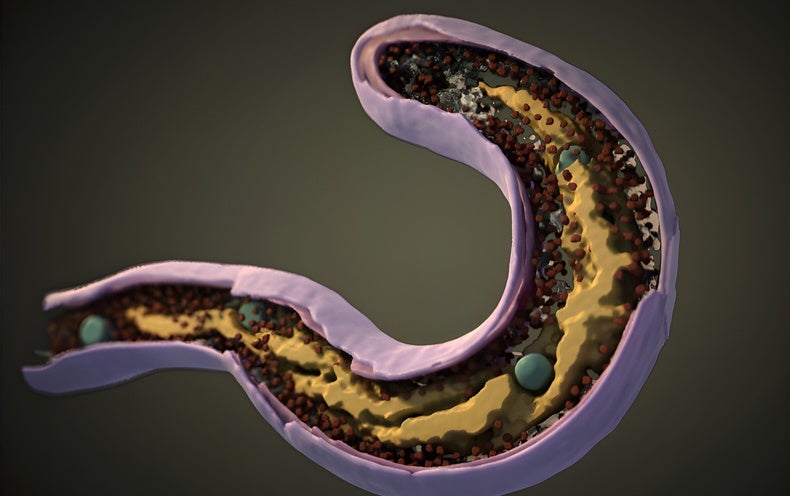
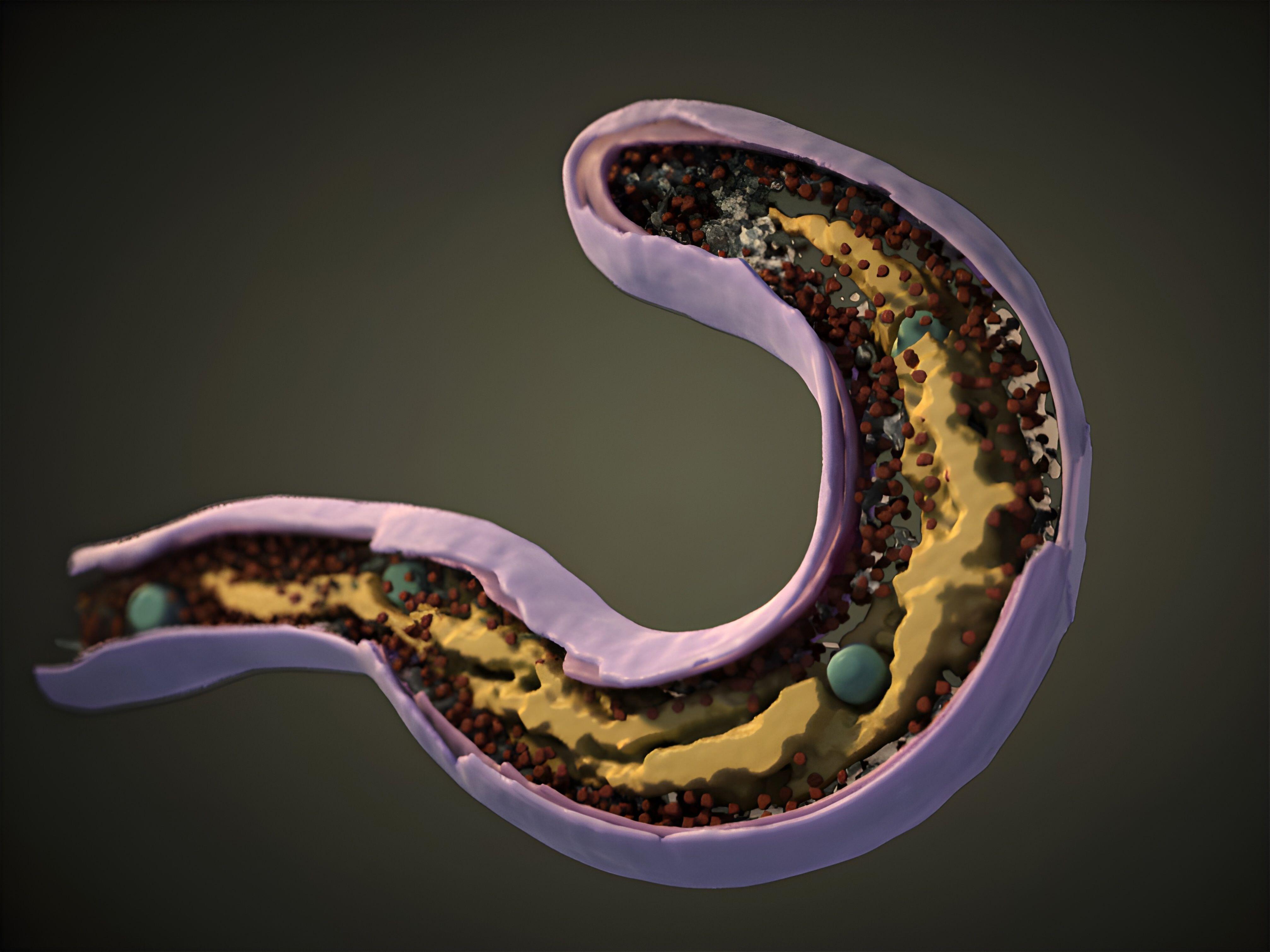
    Under his microscope was a pack of Bdellovibrio bacteriovorus. No bacteriologist had ever encountered what Stolp was now seeing: a dedicated, active and refined killer.

    Bdellovibrio microbes are bacteria-seeking torpedoes sometimes called “the world’s smallest hunters.” Only one fifth the size of a typical bacterium, they punch above their weight. An individual Bdellovibrio darts about until it happens to smash into prey. When it does, the impact is so violent that the victim reels several cell lengths and stops moving within seconds.

    Affixed to its victim ballistically, Bdellovibrio bores inside and cleans out the place like a cross-country team at a post-10K buffet. Its systems for relieving prey of their innards are so evolved (one author termed the process “exquisite molecular dissection”) that when it is finished eating, nothing is left but ghosts and membrane fragments.

    Most bacteria eat detritus or produce their own food. But since Stolp’s discovery of the hunter Bdellovibrio, scientists have come to realize predatory bacteria are diverse, important and potentially useful. They rival killers such as amoebas and viruses as cullers of the vast bacterial herds of the soil, and scientists hope that they could also be put to work in humans and animals as dynamic antibiotics.

    Once scientists figured out what to look for, they discovered Bdellovibrio-like organisms just about everywhere, including bird and mammal feces and possibly even human blood, where short nucleic acid sequences with predatory bacteria signatures have been found. Like viruses that prey on bacteria, they could be inside you right now.

    Most bacterial predators don’t invade their prey like Bdellovibrio does, but their strategies can be no less inventive. Lysobacter specializes in demolition on contact and can blow up not only other bacteria but also green algae, fungi and even little squirming animals called roundworms.

    Vampirovibrio and Vampirococcus, true to their name, have cytoskeletal protrusions sometimes termed “fangs” that the sink into the bodies of prey before draining the contents. Some of these vampires are actually vegetarian: Vampirovibrio chlorellavorus hunts green algae. It’s so good at its job that it has become a pest in experimental algal bioreactors designed to produce biofuel. Once it finds its way into one of the reactors, almost 100 percent of the crop is dead within a day or two.

    Others hunt in “wolf packs.” Herpetosiphon bacteria are huge gliding filaments that can exceed a millimeter in length and are apparently lapsed algae. Under the microscope, they look like a swarm of snakes and use their collective muscle to punch holes in colonies of their prey like a battering ram or bulldozer. Once inside, they torch the village by bursting prey with disruptive chemicals while other Herpetosiphon cells form a wall to prevent escapes. They all then feast on the entrails.

    A group of gliding, spiral-shaped bacteria called Saprospira appear to have stumbled on the strategy employed by some fungi, plants and lots of spiders: they catch prey with their adhesive bodies, sometimes even growing webs. Some can catch swimming bacteria by the tip of their tail, and those bacteria then spin futilely on their axis after being caught. These predators can even pick up food simply by moving like the sticky, tiny offspring of a sandworm and a piece of cavatappi pasta.

    Yet this menagerie may only be the beginning. We still know little about the true diversity or importance of predatory bacteria, and the knowledge gap with animals is so large as to be grotesque. For those of you keeping track at home, Stolp’s 1962 discovery of Bdellovibrio is the equivalent of spotting wildebeest in 1676 (the year Dutch scientist Antonie van Leeuwenhoek first spotted bacteria) but not happening to notice lions until almost 300 years later.

    To begin to grasp the true ecological power of predatory bacteria, a study published in mBio in April 2021 measured predators’ response to radioactively-labeled food added directly to their habitat in 15 wild sites across North America. It found that dedicated (“obligate”) predators such as Bdellovibrio and Vampirovibrio grew, metabolized and fed much faster than nonpredatory bacteria when food was abundant. And the more food there was, the more dominant they became in the ecosystem, a finding that also holds true for predatory animals.

    The authors concluded bacteria’s importance as soil predators rivals that of viruses and more complex microbes such as amoebas that we have studied much more extensively. If true, that’s a big deal. In this century we may find we very much care about the accuracy of our earth system models. If so, we’re going want to know all we can about bacteria with vast powers over the productivity of soil and water.

    But bacterial predators’ significance reaches beyond ecology. The biochemical arsenals of these microbes are rich targets for biotechnology: new antibiotics are sorely needed. Scientists have already proposed and tested the idea of using whole predatory bacteria in animals—applied topically, ingested or even injected—as living antibiotics. Remarkably, they so far seem to be both safe and effective in lab animals. Resistance may prove more elusive for pathogens against wily, evolvable predators than against the static biochemical antibiotics we currently employ.

    If there’s one lesson to take away from the story of Bdellovibrio and its ilk, it’s a familiar refrain: funding basic research on diverse organisms is vital, not only because it’s important in its own right but because momentous discoveries lurk where we least expect them. Scottish microbiologist Alexander Fleming was studying “a purely academic bacteriological problem” when he stumbled on penicillin. Microbiologist Emmanuelle Charpentier and biochemist Jennifer Doudna were just trying to understand how Streptococcus pyogenes defends itself from viruses when they finally understood the workings and profound uses of CRISPR-Cas9. And Stolp was looking for viral predators of a pathogen of beans—merely for classification purposes—when he discovered the world’s first dedicated bacterial predator.

    This is an opinion and analysis article, and the views expressed by the author or authors are not necessarily those of Scientific American.


    Original Source Link

    Share. Facebook Twitter Pinterest LinkedIn WhatsApp Email Reddit Telegram
    Previous Article‘Don’t Worry Darling’ World Premiere Gets Enthusiastic Reception – The Hollywood Reporter
    Next Article How to Set Up Your Apple Watch (2022): Advice Plus Tips and Tricks

    RELATED POSTS

    Mexico’s Victory Over Ecuador Made the Ground Shake. Was It an Artificial Earthquake?

    July 2, 2026

    Why this 98-qubit quantum computer is a big deal

    July 1, 2026

    The world’s fastest spider tops 3.5 metres per second

    July 1, 2026

    Venezuela Earthquake Destruction Revealed in New Satellite Images

    June 30, 2026

    Extreme heat is setting in for July 4. Here’s what to know

    June 30, 2026

    Remote-controlled cockroach swarm can now breathe underwater

    June 29, 2026
    latest posts

    Mick Jagger tells us he’s “had my Sam Fender moments lately” and hails ‘People Watching’ as “excellent”

    Mick Jagger has revealed that he is a fan of Sam Fender, hailing his album ‘People Watching’…

    Trump’s 927-page disclosure is just a normal Tuesday for direct indexing and crypto wealth managers

    July 2, 2026

    Trump Is Worried That No One Will Show Up For His 4th Of July Speech

    July 2, 2026

    Paula Reid is reportedly leaving CNN for MS NOW amid Paramount deal

    July 2, 2026

    The Best July 4 Grill and Griddle Deals: Weber, Traeger, Recteq

    July 2, 2026

    Mexico’s Victory Over Ecuador Made the Ground Shake. Was It an Artificial Earthquake?

    July 2, 2026

    Tom Hanks’ Baseball Movie Gets 2027 Release at Sony

    July 2, 2026
    Categories
    • Books (1,340)
    • Business (6,243)
    • Events (59)
    • Film (6,180)
    • Lifestyle (4,254)
    • Music (6,300)
    • Politics (6,233)
    • Science (5,597)
    • Technology (6,176)
    • Television (5,867)
    • Uncategorized (8)
    • US News (6,231)
    popular posts

    FanDuel CEO Amy Howe Wants to Help the Sports-Betting Business Grow Up

    LOS ANGELES—Ahead of the year’s biggest gambling event, FanDuel Group Chief Executive Amy Howe was…

    Kevin Feige on “Trying to Crack” Mahershala Ali Movie, R-Rating

    July 21, 2024

    Watch Maxwell Cover Michael Jackson’s “The Lady in My Life” at the 2022 Billboard Music Awards

    May 16, 2022

    Iran war and energy shock may force Asia to revisit its AI playbook

    April 2, 2026
    Archives
    Browse By Category
    • Books (1,340)
    • Business (6,243)
    • Events (59)
    • Film (6,180)
    • Lifestyle (4,254)
    • Music (6,300)
    • Politics (6,233)
    • Science (5,597)
    • Technology (6,176)
    • Television (5,867)
    • Uncategorized (8)
    • US News (6,231)
    About Us

    We are a creativity led international team with a digital soul. Our work is a custom built by the storytellers and strategists with a flair for exploiting the latest advancements in media and technology.

    Most of all, we stand behind our ideas and believe in creativity as the most powerful force in business.

    What makes us Different

    We care. We collaborate. We do great work. And we do it with a smile, because we’re pretty damn excited to do what we do. If you would like details on what else we can do visit out Contact page.

    Our Picks

    Mexico’s Victory Over Ecuador Made the Ground Shake. Was It an Artificial Earthquake?

    July 2, 2026

    Tom Hanks’ Baseball Movie Gets 2027 Release at Sony

    July 2, 2026

    ‘DWTS’ Cody Simpson Struggling To Walk, Talk, Scary Time Ahead

    July 2, 2026
    © 2026 New York Examiner News. All rights reserved. All articles, images, product names, logos, and brands are property of their respective owners. All company, product and service names used in this website are for identification purposes only. Use of these names, logos, and brands does not imply endorsement unless specified. By using this site, you agree to the Terms & Conditions and Privacy Policy.

    Type above and press Enter to search. Press Esc to cancel.

    We use cookies on our website to give you the most relevant experience by remembering your preferences and repeat visits. By clicking “Accept All”, you consent to the use of ALL the cookies. However, you may visit "Cookie Settings" to provide a controlled consent.
    Cookie SettingsAccept All
    Manage consent

    Privacy Overview

    This website uses cookies to improve your experience while you navigate through the website. Out of these, the cookies that are categorized as necessary are stored on your browser as they are essential for the working of basic functionalities of the website. We also use third-party cookies that help us analyze and understand how you use this website. These cookies will be stored in your browser only with your consent. You also have the option to opt-out of these cookies. But opting out of some of these cookies may affect your browsing experience.
    Necessary
    Always Enabled
    Necessary cookies are absolutely essential for the website to function properly. These cookies ensure basic functionalities and security features of the website, anonymously.
    CookieDurationDescription
    cookielawinfo-checkbox-analytics11 monthsThis cookie is set by GDPR Cookie Consent plugin. The cookie is used to store the user consent for the cookies in the category "Analytics".
    cookielawinfo-checkbox-functional11 monthsThe cookie is set by GDPR cookie consent to record the user consent for the cookies in the category "Functional".
    cookielawinfo-checkbox-necessary11 monthsThis cookie is set by GDPR Cookie Consent plugin. The cookies is used to store the user consent for the cookies in the category "Necessary".
    cookielawinfo-checkbox-others11 monthsThis cookie is set by GDPR Cookie Consent plugin. The cookie is used to store the user consent for the cookies in the category "Other.
    cookielawinfo-checkbox-performance11 monthsThis cookie is set by GDPR Cookie Consent plugin. The cookie is used to store the user consent for the cookies in the category "Performance".
    viewed_cookie_policy11 monthsThe cookie is set by the GDPR Cookie Consent plugin and is used to store whether or not user has consented to the use of cookies. It does not store any personal data.
    Functional
    Functional cookies help to perform certain functionalities like sharing the content of the website on social media platforms, collect feedbacks, and other third-party features.
    Performance
    Performance cookies are used to understand and analyze the key performance indexes of the website which helps in delivering a better user experience for the visitors.
    Analytics
    Analytical cookies are used to understand how visitors interact with the website. These cookies help provide information on metrics the number of visitors, bounce rate, traffic source, etc.
    Advertisement
    Advertisement cookies are used to provide visitors with relevant ads and marketing campaigns. These cookies track visitors across websites and collect information to provide customized ads.
    Others
    Other uncategorized cookies are those that are being analyzed and have not been classified into a category as yet.
    SAVE & ACCEPT