
Close Menu
New York Examiner News

    Subscribe to Updates

    Get the latest creative news from FooBar about art, design and business.

    What's Hot

    Tara Clerkin Trio Set 2027 North American Tour

    October 1, 2026

    McDonald’s is exploring an $8.5 billion bet on a fast food wave led by protein-maxxing and GLP-1s

    October 1, 2026

    ‘After He Wins, We Have to Remind Him We Allowed Him to Win This Seat’ (VIDEO) * The Gateway Pundit * by Mike LaChance

    October 1, 2026
    Facebook X (Twitter) Instagram
    New York Examiner News
    • Home
    • US News
    • Politics
    • Business
    • Science
    • Technology
    • Lifestyle
    • Music
    • Television
    • Film
    • Books
    • Contact
      • About
      • Amazon Disclaimer
      • DMCA / Copyrights Disclaimer
      • Terms and Conditions
      • Privacy Policy
    New York Examiner News
    Home»Science»Unexpected Brain Chemistry Is behind the Element of Surprise
    Science

    Unexpected Brain Chemistry Is behind the Element of Surprise

    By AdminJuly 30, 2022
    Facebook Twitter Pinterest LinkedIn WhatsApp Email Reddit Telegram
    Unexpected Brain Chemistry Is behind the Element of Surprise


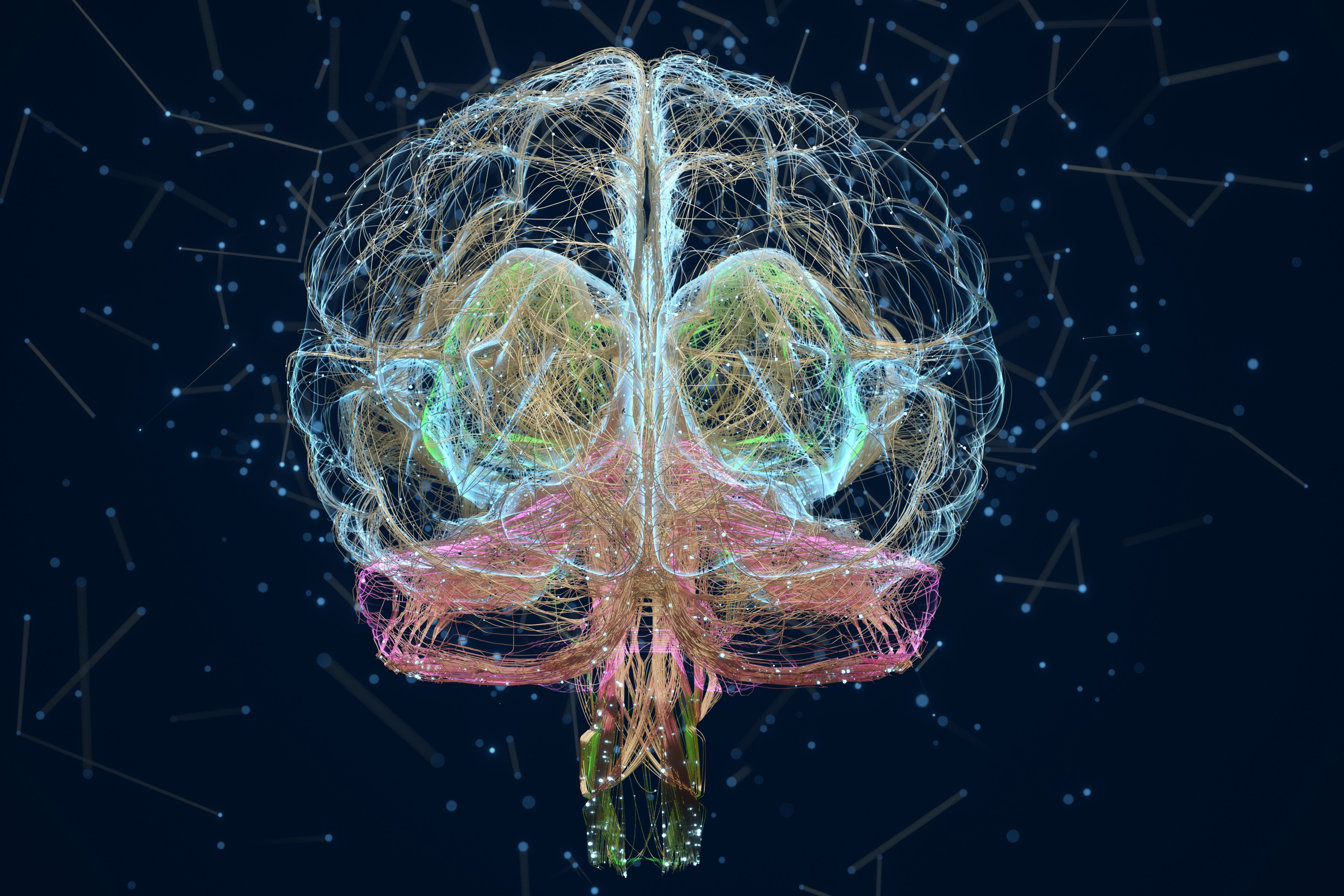
    You reach over a stove to pick up a pot. What you didn’t realize was that the burner was still on. Ouch! That painful accident probably taught you a lesson. It’s adaptive to learn from unexpected events so that we don’t repeat our mistakes. Our brain may be primed to pay extra attention when we are surprised. In a recent Nature study, researchers at the Massachusetts Institute of Technology found evidence that a hormone, noradrenaline, alters brain activity—and an animal’s subsequent behavior—in these startling moments.

    Noradrenaline is one of several chemicals that can flood the brain with powerful signals. Past research shows that noradrenaline is involved when we are feeling excited, anxious or alert and that it contributes to learning. But the new research shows it plays a strong role in responses to the unexpected.

    The M.I.T. team used a method called optogenetics to study noradrenaline in mice. The scientists added special light-sensitive proteins to neurons that work as an “off switch” for the cells when hit by pulses of laser light. They focused on modifying a brain area called the locus coeruleus, which holds cells responsible for releasing noradrenaline. With lasers, the researchers were able to stop these cells from producing the hormone in specific circumstances. They combined this method with photo tagging, a technique in which proteins flash with light, allowing the scientists to observe activity in the locus coeruleus cells and then determine how much noradrenaline was produced.

    Then the researchers designed a trial-and-error learning task for the rodents. The mice could push levers when they heard a sound. There were two sounds. After high-frequency tones of about 12 kilohertz, mice that pushed a lever were rewarded with water they could drink. For low-frequency tones, around four kilohertz, the mice that hit the lever got a slightly unpleasant surprise: a discomforting puff of air was blown at them. Over time, mice learned to push the lever only when they heard high-frequency tones because they got water when they did so. They avoided the lever when they heard low-frequency tones.

    When the researchers examined what was happening within the locus coeruleus during these events, they saw that noradrenaline production spiked at two different moments: before mice pushed the lever and when the rodents received either water or a puff of air.

    The researchers suspect that the first burst of noradrenaline indicates that it plays some part in an animal’s decision to pursue rewards. One of their experiments supports that hunch. When the scientists lowered the tones’ volume, making it harder to distinguish the high-frequency, water-producing notes from the low-frequency, air-blowing ones, the mice appeared confused. Some were reluctant to push the lever, but some did so anyway. Then the researchers used their optogenetic off switch to block the release of noradrenaline, and this made the mice even more hesitant. The release of noradrenaline, it seemed, increased the odds that mice would take chances when they weren’t so sure of the outcomes. In addition, the researchers tracked the noradrenaline released before mice hit the lever and found it traveled to the motor cortex of the brain, an area involved in sending out nerve impulses that stimulate muscle movement. In other words, the surge in brain chemistry helped to drive the mice to push the lever.

    As for the second spike in noradrenaline, the researchers found the chemical was released when mice received either a puff of air or water—and this brain response was strongest when the outcome was a surprise. For instance, after mice learned to link higher tones to getting water, the researchers decided to shake things up a bit by sometimes releasing the puff of air instead. Not only did these changes alter mouse behavior—the unexpected puff of air, for example, made the mice more wary of pushing the lever on the next trial—the scientists found that the locus coeruleus released more noradrenaline when the animals received these unexpected outcomes. The researchers also found that blocking noradrenaline release made mice less accurate at mastering when to push a lever for a water reward. That finding helps make the case that noradrenaline is particularly useful in helping us learn from the unexpected.

    In future work, researchers can investigate if similar processes exist in humans. Scientists can also study how noradrenaline works with other chemical messengers, such as dopamine, that play a role in our response to rewards. What the new research makes clear is that there may be a far more complex neurochemical story behind “the element of surprise” than anyone ever expected.

    Are you a scientist who specializes in neuroscience, cognitive science or psychology? And have you read a recent peer-reviewed paper that you would like to write about for Mind Matters? Please send suggestions to Scientific American’s Mind Matters editor Daisy Yuhas at pitchmindmatters@gmail.com


    Original Source Link

    Share. Facebook Twitter Pinterest LinkedIn WhatsApp Email Reddit Telegram
    Previous Article7 Wild Theories About Will’s Season 5 Arc (According To Reddit)
    Next Article Climate-focused VC stays scorching as Buoyant Ventures targets $100M fund – TechCrunch

    RELATED POSTS

    NASA directive might increase the odds of contaminating Mars

    October 1, 2026

    A Biotech Founder Makes the Moral Case for Gene-Editing Human Embryos

    September 30, 2026

    Blockbuster retatrutide trial signals a ‘new high-water mark’ for weight-loss drugs

    September 30, 2026

    Plastic Is Melting Onto Corals

    September 29, 2026

    One in eight new cancers are likely caused by infections—there’s an easy way to protect yourself

    September 29, 2026

    Space Lasers Are About to Get Their First Real Test Generating Energy

    September 28, 2026
    latest posts

    Tara Clerkin Trio Set 2027 North American Tour

    Bristol’s Tara Clerkin Trio shared their new LP Somewhere Good in June. Next month, Tara…

    McDonald’s is exploring an $8.5 billion bet on a fast food wave led by protein-maxxing and GLP-1s

    October 1, 2026

    ‘After He Wins, We Have to Remind Him We Allowed Him to Win This Seat’ (VIDEO) * The Gateway Pundit * by Mike LaChance

    October 1, 2026

    Why the Beatles still matter

    October 1, 2026

    eBay Coupons: 20% Off in October 2026

    October 1, 2026

    NASA directive might increase the odds of contaminating Mars

    October 1, 2026

    New Romance Books to Read | September 29

    October 1, 2026
    Categories
    • Books (1,523)
    • Business (6,427)
    • Events (78)
    • Film (6,361)
    • Lifestyle (4,427)
    • Music (6,491)
    • Politics (6,415)
    • Science (5,779)
    • Technology (6,360)
    • Television (6,053)
    • Uncategorized (9)
    • US News (6,414)
    popular posts

    How Tesla's Cybertruck Compares With Other Pickups

    Elon Musk’s long-awaited electric truck hits the road. See how it stacks up on price,…

    5 things to know before the stock market opens Monday

    July 24, 2023

    Steve Bannon Is the Latest in Long List of MAGAs Pushing Putin Propaganda While Reckless Russia Openly Talks Nukes

    May 14, 2022

    Business Books for Ambitious Readers Ready to Level Up

    March 7, 2026
    Archives
    Browse By Category
    • Books (1,523)
    • Business (6,427)
    • Events (78)
    • Film (6,361)
    • Lifestyle (4,427)
    • Music (6,491)
    • Politics (6,415)
    • Science (5,779)
    • Technology (6,360)
    • Television (6,053)
    • Uncategorized (9)
    • US News (6,414)
    About Us

    We are a creativity led international team with a digital soul. Our work is a custom built by the storytellers and strategists with a flair for exploiting the latest advancements in media and technology.

    Most of all, we stand behind our ideas and believe in creativity as the most powerful force in business.

    What makes us Different

    We care. We collaborate. We do great work. And we do it with a smile, because we’re pretty damn excited to do what we do. If you would like details on what else we can do visit out Contact page.

    Our Picks

    NASA directive might increase the odds of contaminating Mars

    October 1, 2026

    New Romance Books to Read | September 29

    October 1, 2026

    New Star Trek Movie Not Set In J.J. Abrams’ Kelvin Timeline & Has No Legacy Characters, Filmmakers Confirm

    October 1, 2026
    © 2026 New York Examiner News. All rights reserved. All articles, images, product names, logos, and brands are property of their respective owners. All company, product and service names used in this website are for identification purposes only. Use of these names, logos, and brands does not imply endorsement unless specified. By using this site, you agree to the Terms & Conditions and Privacy Policy.

    Type above and press Enter to search. Press Esc to cancel.

    We use cookies on our website to give you the most relevant experience by remembering your preferences and repeat visits. By clicking “Accept All”, you consent to the use of ALL the cookies. However, you may visit "Cookie Settings" to provide a controlled consent.
    Cookie SettingsAccept All
    Manage consent

    Privacy Overview

    This website uses cookies to improve your experience while you navigate through the website. Out of these, the cookies that are categorized as necessary are stored on your browser as they are essential for the working of basic functionalities of the website. We also use third-party cookies that help us analyze and understand how you use this website. These cookies will be stored in your browser only with your consent. You also have the option to opt-out of these cookies. But opting out of some of these cookies may affect your browsing experience.
    Necessary
    Always Enabled
    Necessary cookies are absolutely essential for the website to function properly. These cookies ensure basic functionalities and security features of the website, anonymously.
    CookieDurationDescription
    cookielawinfo-checkbox-analytics11 monthsThis cookie is set by GDPR Cookie Consent plugin. The cookie is used to store the user consent for the cookies in the category "Analytics".
    cookielawinfo-checkbox-functional11 monthsThe cookie is set by GDPR cookie consent to record the user consent for the cookies in the category "Functional".
    cookielawinfo-checkbox-necessary11 monthsThis cookie is set by GDPR Cookie Consent plugin. The cookies is used to store the user consent for the cookies in the category "Necessary".
    cookielawinfo-checkbox-others11 monthsThis cookie is set by GDPR Cookie Consent plugin. The cookie is used to store the user consent for the cookies in the category "Other.
    cookielawinfo-checkbox-performance11 monthsThis cookie is set by GDPR Cookie Consent plugin. The cookie is used to store the user consent for the cookies in the category "Performance".
    viewed_cookie_policy11 monthsThe cookie is set by the GDPR Cookie Consent plugin and is used to store whether or not user has consented to the use of cookies. It does not store any personal data.
    Functional
    Functional cookies help to perform certain functionalities like sharing the content of the website on social media platforms, collect feedbacks, and other third-party features.
    Performance
    Performance cookies are used to understand and analyze the key performance indexes of the website which helps in delivering a better user experience for the visitors.
    Analytics
    Analytical cookies are used to understand how visitors interact with the website. These cookies help provide information on metrics the number of visitors, bounce rate, traffic source, etc.
    Advertisement
    Advertisement cookies are used to provide visitors with relevant ads and marketing campaigns. These cookies track visitors across websites and collect information to provide customized ads.
    Others
    Other uncategorized cookies are those that are being analyzed and have not been classified into a category as yet.
    SAVE & ACCEPT