
Close Menu
New York Examiner News

    Subscribe to Updates

    Get the latest creative news from FooBar about art, design and business.

    What's Hot

    Romania’s Eurovision entry criticised for allegedly “glamorising sexual strangulation”

    March 13, 2026

    U.S. debt is like a Hallmark movie boyfriend who eventually gets dumped, budget watchdog warns 

    March 13, 2026

    Pete Hegseth’s Tantrum Shows That Trump Has Already Lost In Iran

    March 13, 2026
    Facebook X (Twitter) Instagram
    New York Examiner News
    • Home
    • US News
    • Politics
    • Business
    • Science
    • Technology
    • Lifestyle
    • Music
    • Television
    • Film
    • Books
    • Contact
      • About
      • Amazon Disclaimer
      • DMCA / Copyrights Disclaimer
      • Terms and Conditions
      • Privacy Policy
    New York Examiner News
    Home»Technology»India’s central bank cracks down on fintech startups – TechCrunch
    Technology

    India’s central bank cracks down on fintech startups – TechCrunch

    By AdminJune 24, 2022
    Facebook Twitter Pinterest LinkedIn WhatsApp Email Reddit Telegram
    India’s central bank cracks down on fintech startups – TechCrunch


    For nearly all fintech startups, lending has long been the end game. A notice from India’s central bank this week has thrown a wrench into the ecosystem, scrutinizing just who all can lend.

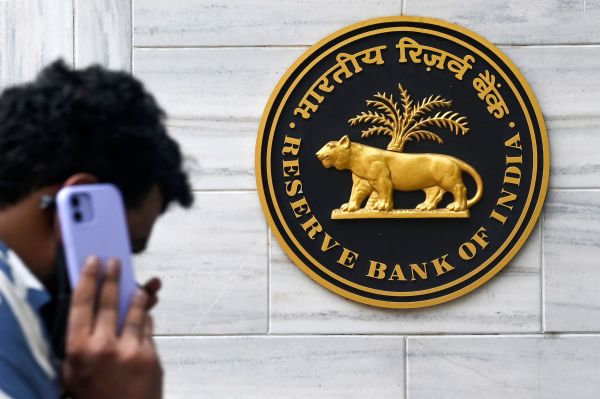
    The Reserve Bank of India has informed dozens of fintech startups that it is barring the practice of loading non-bank prepaid payment instruments (PPIs) – prepaid cards, for instance – using credit lines, in a move that has prompted panic among – and existential threat to – many fintech startups and caused some to compare the decision to China’s crackdown on financial services firm last year.

    Several startups including Slice, Jupiter, Uni and KreditBee have long used the PPI licenses to issue cards and then equip them with credit lines. Fintechs typically partner with banks to issue cards and then tie up with non-banking financial institutions or use their own NBFC unit to offer credit lines to consumers.

    The central bank’s notice, which doesn’t identify any startup by name, is widely thought to be impacting just about everyone including buy now, pay later firms such as ZestMoney who also use a similar mechanic to offer loans to customers. Amazon Pay, Paytm Postpaid and Ola Money are cautious, too, because many believe that they might be impacted as well.

    “The rule is very confusing and strange,” said a fintech founder on condition of anonymity to avoid upsetting RBI officials. “What the RBI is essentially saying here is that don’t load credit line on PPI. The way things work with PPI currently is that the money finally goes to merchants. You’re saying now that NBFCs can’t give credit lines to merchants and their money should only be routed to bank accounts of customers.”

    The founder added that this new stance risks erasing all the innovation that has happened in the past five years in the fintech industry, which has attracted over $15 billion in investments in the last two years from scores of high profile backers including Sequoia India and Southeast Asia, Tiger Global, Insight Partners, Accel, and Lightspeed Venture Partners.

    “The way everyone works right now in the fintech space, with maybe one degree of separation where money first goes to a payments gateway, the money is routed to merchants. Some banks have been employing the same strategy for like a decade!” the founder added.

    Fintech startups are convinced that banks have lobbied the RBI to reach this decision, employing the age-old tactic where incumbents cry foul and rely on the regulator to rescue the day.

    Not allowing loading of pre paid instruments through credit is aimed at protecting bank’s lazy credit card business from Fintech’s potent BNPL business. It’s a flex move by banks – rent seeking. But market is market and regulation will eventually come around to what market needs.

    — Ashneer Grover (@Ashneer_Grover) June 23, 2022

    The central bank, which didn’t offer an explanation in the notice this week, has long expressed concerns about lenders who are charging exorbitant interest rate and requiring minimum know-your-customer details to on-board and coerce customers. Some of these firms, the government agencies have claimed over the past two years, may be engaging in money laundering schemes.

    “Some people are speculating that when the PPI licenses were given, RBI was clear that they are not given as credit instruments. With the PPI + BNPL combo, the PPI route is now being used as an alternative to credit cards or offer seamless BNPL, which RBI may not be okay with as of today,” said an industry player, who also requested anonymity.

    The new rule is said to be impacting not just such shark lenders and sketchy players, but everyone.

    “We believe this regulation could significantly impact the fintechs involved in this business and would be advantageous to banks, as they can further accelerate card acquisition with less competition,” analysts at brokerage house Macquarie wrote earlier this week.

    The fintech startups exist, many argue, because they found a way to bring financial inclusion to millions of users, something the RBI has long welcomed and a fact that banks would appreciate if you didn’t bring up. The PPI model, which brings together two regulated entities, enables lenders to offer credit to customers at lower cost, dramatically increasing the reach of who can receive credit.

    “In the traditional personal loan model, lender deposits money directly into bank account. So, the lender doesn’t earn any money when the consumer spends that money,” explained Himanshu Gupta, a fintech veteran. “But in the PPI instruments backed by credit line model, since fintech startups earn interchange revenue on every payment, which can be as high as 1.8%. This means they can potentially offer credit at lower cost to consumers as compared to a pure ‘personal loan into bank’ model,” he added.

    India’s credit bureau data book is thin, making most individuals in the South Asian market unworthy of credit. As a result, banks don’t offer credit cards or loans to most Indians. Fintechs use modern-age underwriting systems to lend to customers and a maze of regulatory arbitrage – all considered okay until now – to operate.

    The central bank might just be too late to make a decision now, some argue. The fintechs serve over 8 million customers in India, and without clarity, most of those customers are under no obligation to meet their current payback deadlines, which would create significant stress on firms.

    Additionally, the NBFCs run by different startups are regulated entities. Some fintech veterans argue that if RBI really wants to crack down on the use of PPI as a credit instrument, then they should really consider giving credit card license to startups, something the RBI hasn’t done to date.

    In the meantime, investors are getting spooked and many startups that are in the middle of raising new funding rounds are beginning to see some VCs back out, according to people familiar with the matter. Some industry players believe that India’s central bank is taking a similar approach as China in cracking down on lenders and fintechs at large. (Shares of SBI Bank, the government-owned bank in India, on the other hand, have surged over 14% since the central bank sent the circular.)

    “We do not believe RBI is very keen on issuing digital banking licenses, as reflected by the recent statements of the RBI Governor. RBI has been coming down heavily on fintechs and has been advocating tighter regulations over the past several months. It is our view that the message is clear that fintechs will increasingly be regulated more,” wrote Macquarie.

    “RBI’s payments vision 2025 document also talks about looking at the various charges for payments made in India in such a way that it further encourages digital adoption, which we believe means there is a possibility that various payment charges can come down to encourage more adoption. It is clear to us that the risks are increasing for the fintech sector, for which regulations have been a light-touch so far.”

    Entrepreneurs are scrambling to relay their concerns to the RBI. At least three entities including Digital Lenders Association of India and Payments Council of India (PCI), part of lobby group Internet and Mobile Association of India, are in the process of writing letters to the RBI and various ministries to allay their concerns.

    On a Zoom call on Thursday, dozens of fintech officials discussed the common grounds for what they should inform the RBI. Some of their pressing requests include extending the timeline for the new rule by six months and establishing to the central bank that fintech industry at large is “responsible and trying to do the right thing,” according to people who attended the call.

    The fintechs also seek to explain in detail their business models and make a case for why those who operate with full know-your-customer mandates should be permitted to continue.

    But until some change or clarity arrives, large disruptions are expected. Tiger Global-backed Jupiter and Azim Premji’s PremjiInvest-backed KreditBee have already temporarily stopped customers from making any transactions on their prepaid cards.


    Original Source Link

    Share. Facebook Twitter Pinterest LinkedIn WhatsApp Email Reddit Telegram
    Previous ArticleWhy elite universities like Cambridge must ditch big oil funding
    Next Article Sean Penn Sits With U.S. Capitol Police Officers During Jan. 6 Hearing

    RELATED POSTS

    Best Dreo Spring Sale Deals: Air Fryer, Heater, Fans

    March 13, 2026

    Before quantum computing arrives, this startup wants enterprises already running on it

    March 13, 2026

    John Solly Is the DOGE Operative Accused of Planning to Take Social Security Data to His New Job

    March 12, 2026

    Chinese brain interface startup Gestala raises $21M just two months after launch

    March 12, 2026

    Grammarly Is Facing a Class Action Lawsuit Over Its AI ‘Expert Review’ Feature

    March 11, 2026

    Anduril snaps up space surveillance firm ExoAnalytic Solutions

    March 11, 2026
    latest posts

    Romania’s Eurovision entry criticised for allegedly “glamorising sexual strangulation”

    Romania’s Eurovision entry ‘Choke Me’ has been described by anti-sexual violence campaigners as “dangerous” and…

    U.S. debt is like a Hallmark movie boyfriend who eventually gets dumped, budget watchdog warns 

    March 13, 2026

    Pete Hegseth’s Tantrum Shows That Trump Has Already Lost In Iran

    March 13, 2026

    F1 scraps Bahrain, Saudi Arabia races amid Iran conflict: reports

    March 13, 2026

    Best Dreo Spring Sale Deals: Air Fryer, Heater, Fans

    March 13, 2026

    24 mice launched to orbit in 2023. What happened to their bodies could help humans better survive in space

    March 13, 2026

    Why Miles Morales’ Secret Third Spider-Man Movie Is Worth Watching Before Beyond The Spider-Verse

    March 13, 2026
    Categories
    • Books (1,119)
    • Business (6,023)
    • Events (40)
    • Film (5,959)
    • Lifestyle (4,062)
    • Music (6,067)
    • Politics (6,024)
    • Science (5,376)
    • Technology (5,953)
    • Television (5,639)
    • Uncategorized (6)
    • US News (6,011)
    popular posts

    Ukrainian orphans stranded as American families struggle to save them from war

    NEWYou can now listen to Fox News articles! Hundreds of Ukrainian orphans who were set…

    Steel Barricades Placed Outside of Manhattan DA Office

    March 20, 2023

    Everything You Need to Know About Paxlovid

    August 9, 2022

    Creed Aventus Alternatives That Outsmart the Price Tag

    December 6, 2025
    Archives
    Browse By Category
    • Books (1,119)
    • Business (6,023)
    • Events (40)
    • Film (5,959)
    • Lifestyle (4,062)
    • Music (6,067)
    • Politics (6,024)
    • Science (5,376)
    • Technology (5,953)
    • Television (5,639)
    • Uncategorized (6)
    • US News (6,011)
    About Us

    We are a creativity led international team with a digital soul. Our work is a custom built by the storytellers and strategists with a flair for exploiting the latest advancements in media and technology.

    Most of all, we stand behind our ideas and believe in creativity as the most powerful force in business.

    What makes us Different

    We care. We collaborate. We do great work. And we do it with a smile, because we’re pretty damn excited to do what we do. If you would like details on what else we can do visit out Contact page.

    Our Picks

    24 mice launched to orbit in 2023. What happened to their bodies could help humans better survive in space

    March 13, 2026

    Why Miles Morales’ Secret Third Spider-Man Movie Is Worth Watching Before Beyond The Spider-Verse

    March 13, 2026

    ‘The Voice’ Kelly Clarkson Worries Fans With New Appearance

    March 13, 2026
    © 2026 New York Examiner News. All rights reserved. All articles, images, product names, logos, and brands are property of their respective owners. All company, product and service names used in this website are for identification purposes only. Use of these names, logos, and brands does not imply endorsement unless specified. By using this site, you agree to the Terms & Conditions and Privacy Policy.

    Type above and press Enter to search. Press Esc to cancel.

    We use cookies on our website to give you the most relevant experience by remembering your preferences and repeat visits. By clicking “Accept All”, you consent to the use of ALL the cookies. However, you may visit "Cookie Settings" to provide a controlled consent.
    Cookie SettingsAccept All
    Manage consent

    Privacy Overview

    This website uses cookies to improve your experience while you navigate through the website. Out of these, the cookies that are categorized as necessary are stored on your browser as they are essential for the working of basic functionalities of the website. We also use third-party cookies that help us analyze and understand how you use this website. These cookies will be stored in your browser only with your consent. You also have the option to opt-out of these cookies. But opting out of some of these cookies may affect your browsing experience.
    Necessary
    Always Enabled
    Necessary cookies are absolutely essential for the website to function properly. These cookies ensure basic functionalities and security features of the website, anonymously.
    CookieDurationDescription
    cookielawinfo-checkbox-analytics11 monthsThis cookie is set by GDPR Cookie Consent plugin. The cookie is used to store the user consent for the cookies in the category "Analytics".
    cookielawinfo-checkbox-functional11 monthsThe cookie is set by GDPR cookie consent to record the user consent for the cookies in the category "Functional".
    cookielawinfo-checkbox-necessary11 monthsThis cookie is set by GDPR Cookie Consent plugin. The cookies is used to store the user consent for the cookies in the category "Necessary".
    cookielawinfo-checkbox-others11 monthsThis cookie is set by GDPR Cookie Consent plugin. The cookie is used to store the user consent for the cookies in the category "Other.
    cookielawinfo-checkbox-performance11 monthsThis cookie is set by GDPR Cookie Consent plugin. The cookie is used to store the user consent for the cookies in the category "Performance".
    viewed_cookie_policy11 monthsThe cookie is set by the GDPR Cookie Consent plugin and is used to store whether or not user has consented to the use of cookies. It does not store any personal data.
    Functional
    Functional cookies help to perform certain functionalities like sharing the content of the website on social media platforms, collect feedbacks, and other third-party features.
    Performance
    Performance cookies are used to understand and analyze the key performance indexes of the website which helps in delivering a better user experience for the visitors.
    Analytics
    Analytical cookies are used to understand how visitors interact with the website. These cookies help provide information on metrics the number of visitors, bounce rate, traffic source, etc.
    Advertisement
    Advertisement cookies are used to provide visitors with relevant ads and marketing campaigns. These cookies track visitors across websites and collect information to provide customized ads.
    Others
    Other uncategorized cookies are those that are being analyzed and have not been classified into a category as yet.
    SAVE & ACCEPT